
1. YouTube and FIFA turned creators into a sports media property
What happened
YouTube and FIFA did not ask influencers to promote an existing football event. They created the FIFA Creator Cup in Central Park and gave creators their own competition inside the wider World Cup program. IShowSpeed captained the event, with Celine Dept, AboFlah, Coringa, JasonTheWeen, TBJZL, Zhong, Zias and other creators playing alongside football legends. Dove Men+Care and Lay's joined as official livestream partners.
Key results
- The Creator Cup participants represented more than 270 million combined subscribers, and more than 10 million people watched live across FIFA, creator and broadcaster streams.
- The broader YouTube and FIFA creator roster represented more than 350 million subscribers and generated more than 2.5 billion views during the World Cup. The 2.5 billion figure covers the wider program, not the Creator Cup alone.
- A separate analysis estimated more than 56 million YouTube views across Creator Cup content shortly after the event.
Why I selected it
The creators were not a distribution layer. They were the reason the event existed and the reason many fans watched. FIFA and its partners gained access to the audiences around those creators without forcing a conventional ad into their feeds.
That made the creators a sports media property. Sponsor integrations could belong inside the broadcast instead of feeling like an ad break.
Source: YouTube's Creator Cup announcement.

Watch the FIFA Creator Cup video on YouTube.
2. Streamer University made more than 20 sponsors useful
What happened
Kai Cenat's Streamer University ran at Hendrix College in Arkansas for six days in July. It brought together 120 creators and more than 20 sponsors in a campus experience designed to generate live content. The setting gave every sponsor a practical question to answer: what can our product do for the students?
Key results
- The event generated 56.79 million hours watched and reached 1.45 million peak concurrent viewers.
- About 6,000 channels broadcast related content. Twitch accounted for almost 85% of watch time, while US-based channels generated more than 69%.
- Kai Cenat's streams produced 6.75 million hours watched on Twitch and another 2.7 million on YouTube. Total watch time and peak viewership more than doubled from the previous edition.
- Suburbbaby reached 195,300 peak viewers and passed 777,000 Twitch followers by the end. A separate analysis tracked 26.65 million chat messages across the event.
Why I selected it
The best sponsor integrations solved a problem or created an activity. Ch@mobile gave every participant a smartphone and a year of wireless service. Red Bull supplied mini-fridges and sponsored the Best Professor award. Zaxby's fed the campus, created a Kai Meal and ran a Sauce Quest.
Dell attached its sponsorship to the Valedictorian award. State Farm rewarded good-neighbor behavior. Epic created a Fortnite treasure hunt, and MrBeast added ten $10,000 briefcases. These brands did not interrupt the content. They gave the students something useful to experience, win or discuss.
Source: Digiday's report on the Streamer University brand integrations.
3. Gap built a creator portfolio at two levels
What happened
Gap ran two influencer programs at different scales. First, it expanded its existing creator program to store, distribution-center and corporate employees across Gap, Old Navy, Banana Republic and Athleta. Employees can apply to earn affiliate commissions, receive products and join campaigns.

At the other end of the portfolio, Hailey Bieber worked on the product, design and campaign story for a limited denim collaboration. The launch used the vintage Gap jeans she already wore, and her birth year became part of the product story.
Key results
- Before the employee expansion, Gap's external creator program had produced nearly 30,000 unique posts and reached 154 million users.
- A three-day teaser for the Hailey Jean generated nearly 5 million views without revealing the product.
- Customers reported sizes disappearing within minutes of the online launch, followed by a limited restock two days later.
Why I selected it
Gap did not choose between creator volume and celebrity reach. It built a portfolio. Employees and smaller creators can supply a steady stream of credible, product-led content, while a selective superstar collaboration can create a larger cultural moment.
Source: Gap's employee creator program announcement.
Source: Vogue's interview about the Hailey Jean collaboration.

4. McDonald's turned social listening into the creative department
What happened
McDonald's found a Serena Neel TikTok from nearly four years earlier in which she stitched together repeated clips of herself ordering a McChicken at the drive-thru. The brand rebuilt her existing idea as a 15-second national TV commercial and cast Neel in it.
What we can verify
- An old organic TikTok became the concept, script and casting source for a national television commercial.
- Around the campaign period, Neel had about 11.5 million TikTok followers, more than 1.6 million Instagram followers and about 3 million YouTube subscribers.
- Those audience figures show her reach. They do not prove that the McDonald's campaign caused follower growth, and the available evidence does not establish that link.
Why I selected it
McDonald's did not ask an 11-million-follower creator to make a generic new ad. It recognized that her existing content already contained the consumer insight and creative idea.
That fits the brand's "share the pen" approach, moving communication from brand-to-fan toward fan-to-fan. Social listening became part of the creative department rather than a reporting task.
Primary source: Serena Neel's original McChicken TikTok.
Campaign example: Serena Neel's finished McDonald's Reel.
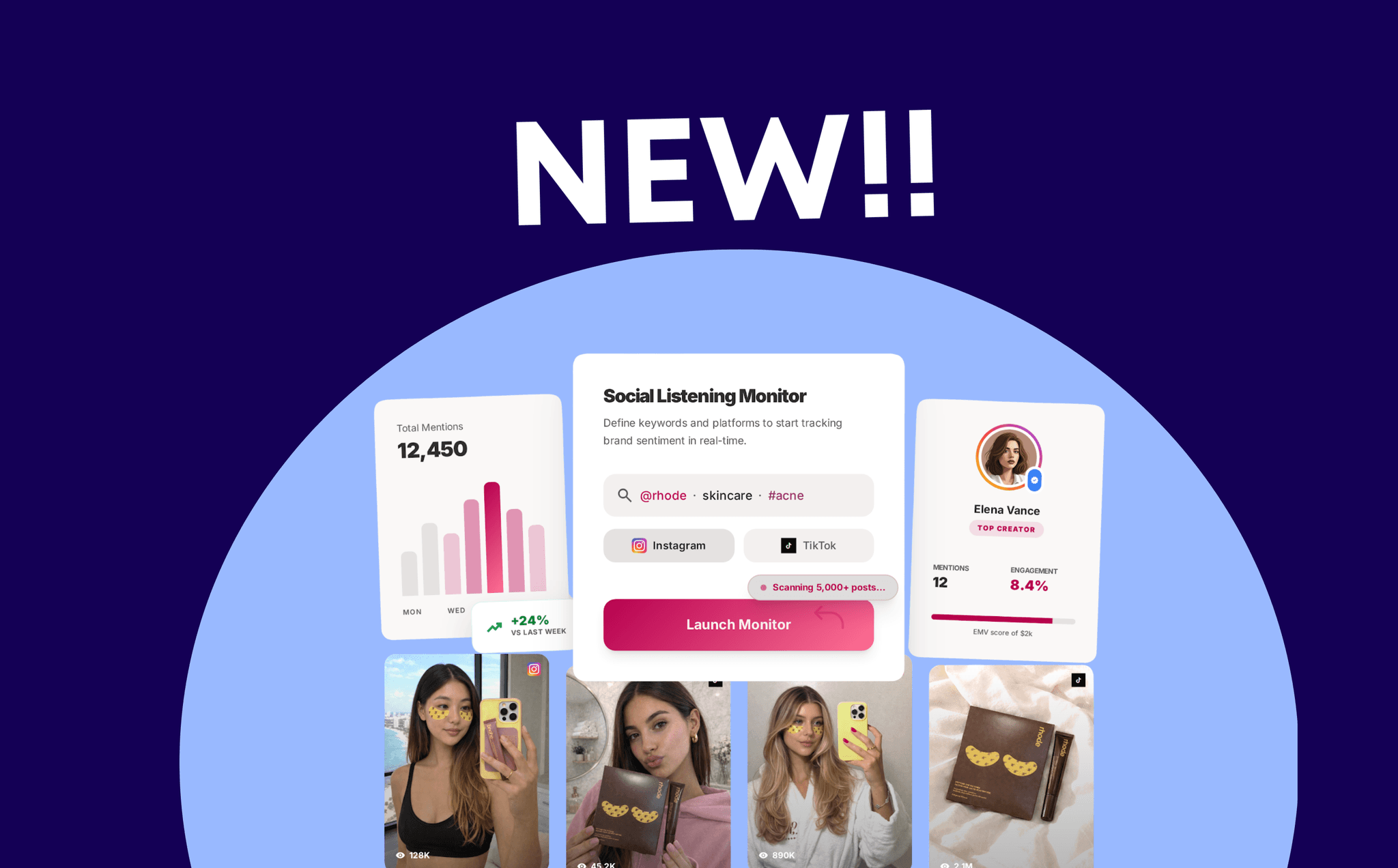
Click Analytic Social Listening helps teams find creators already talking about a brand and track the posts worth developing. See how Social Listening works.