Why is brand advocacy a MUST for any business in 2026?
Because… people don’t trust traditional advertising the way they used to…
They trust people, especially friends and family.
Friends. Family. Colleagues. Creators they already follow.
That shift is not a feeling. It is backed by data.
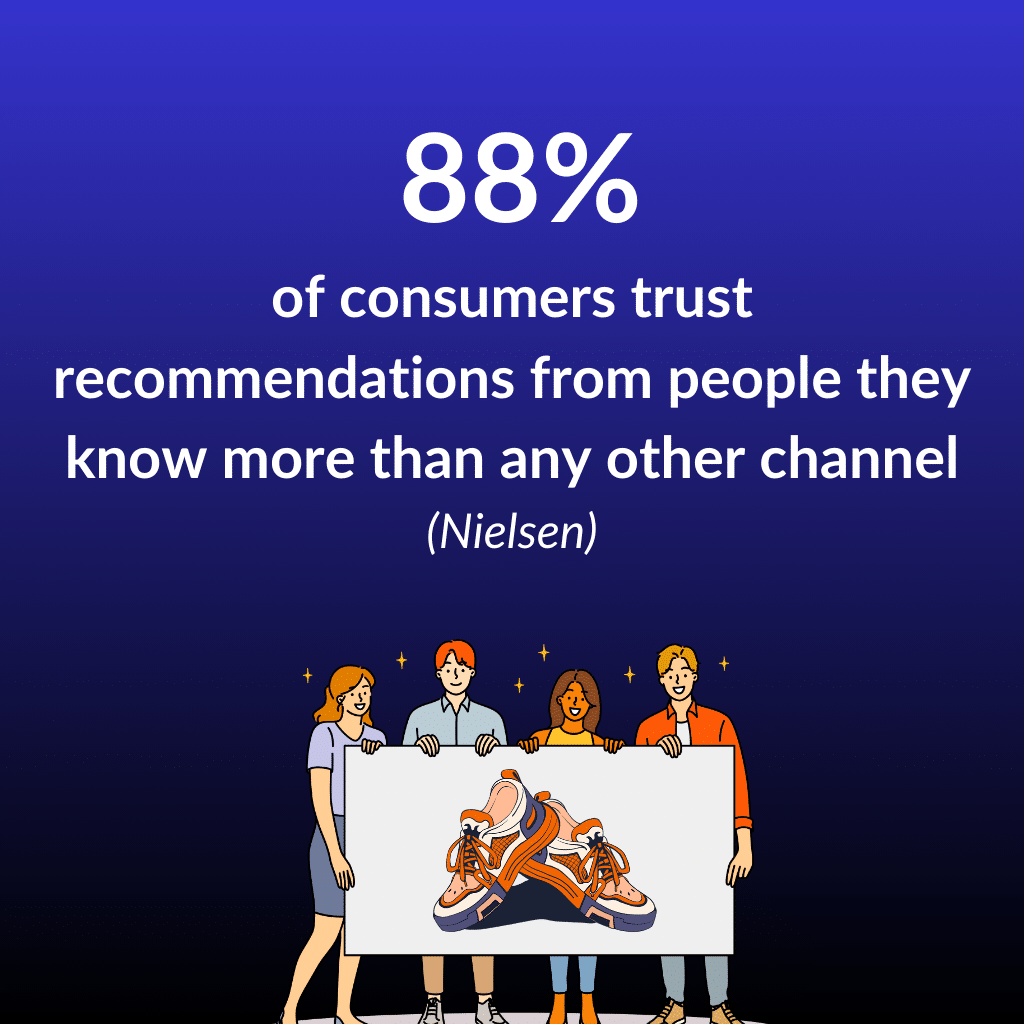
According to Nielsen, 88% of consumers trust recommendations from people they know more than any other marketing channel.
This is exactly why brand advocacy has become one of the most important marketing strategies for modern companies.
Brand advocacy is not about running louder ads.
It is about turning real people into credible voices for your brand.
In this guide, you will learn:
- What is brand advocacy?
- How advocacy marketing works in practice
- Why does it outperform traditional advertising
- 7 real brand advocacy programs from top brands (Lego, Dropbox, Starbucks etc.)
- How to build brand advocacy and measure it properly
- 6 easy ways to find brand advocates for your brand
- And 5 huge brand advocacy mistakes to avoid!
Ready? Let’s dive in 👇 (first, theory)
What Is Brand Advocacy?
💡Brand advocacy happens when customers, employees, or creators voluntarily promote a brand because they trust it and like it.
To make it very concrete, think about this:
Would you trust more an ad for dog food you see on TV
or if your best friend sends you a link saying “This is the best food I’ve ever given my dog”?
Most people already know the answer.
That second situation is brand advocacy.
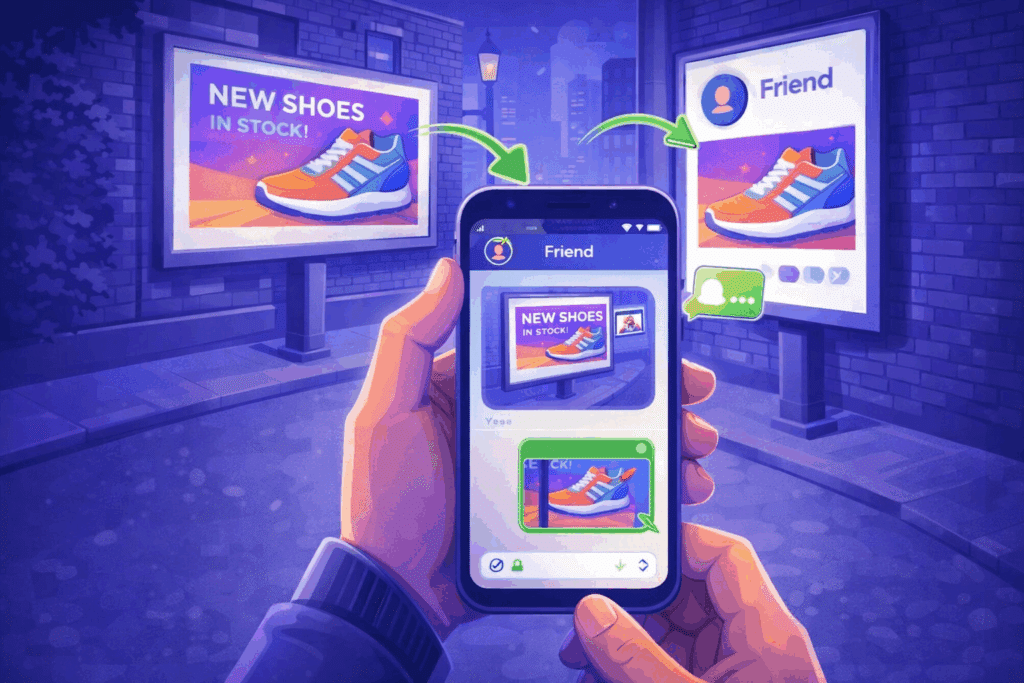
A brand advocate might:
- Recommend a product to friends or family
- Post about a brand on social media
- Leave positive reviews
- Defend a brand in comments
- Create content without being paid
In simple terms, brand advocates are people who speak positively about a brand because of real experience.
This is the core brand advocacy definition:
advocacy driven by genuine experience, not advertising budgets.
But How Does Brand Advocacy Work?
Brand advocacy works through a simple loop:
- Good customer service
- Positive customer experience
- Customer satisfaction
- Brand love
- Advocacy on social media and beyond
This loop increases brand awareness and long-term growth.
Once you understand what brand advocacy looks like in real life, the next question becomes clear:
How do brands encourage, structure, and scale this behaviour?
That’s where advocacy marketing comes in 👇
What Is Advocacy Marketing?
Brand advocacy often starts organically. But when brands want to make it repeatable, predictable, and measurable, they need a clear system behind it.
💡 So… yes, advocacy marketing is the strategy and system behind brand advocacy.
If brand advocacy is the outcome, advocacy marketing is how you:
- Identify advocates
- Encourage sharing
- Reward loyalty
- Measure impact
Why is it so relevant for businesses?
Well… according to McKinsey, word-of-mouth marketing can generate more than twice the sales of paid advertising.
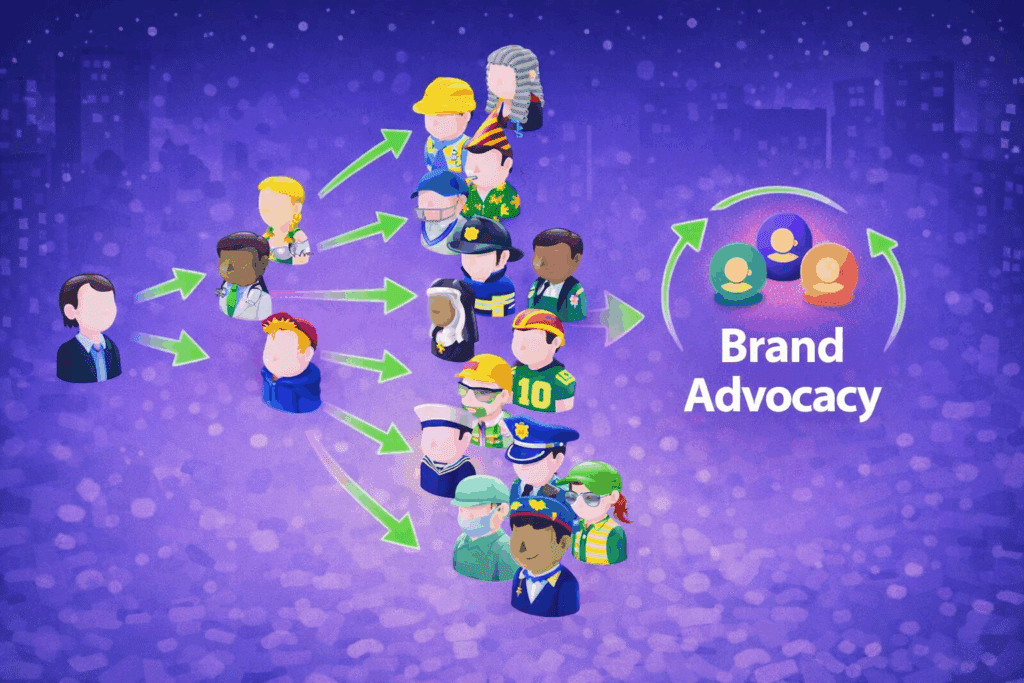
This is why advocacy marketing often performs better than advocacy advertising or traditional marketing campaigns.
Now that we understand how advocacy marketing works, the next step is to look at…
-> who actually becomes a brand advocate in real life 👇
What Are Brand Advocates? (and the Different Types of Brand Advocacy)
This is where things get interesting… Not all brand advocates look the same!
First, what are brand advocates?
💡Brand advocates are people who actively support and promote a brand because they genuinely trust it and like it.
They are not paid to say good things ❌
They do it because of a positive experience, strong customer satisfaction, or real brand love.
In practice, brand advocates usually show clear signals:
- They are repeat customers
- They engage with your content on social media
- They leave positive reviews
- They recommend your product to friends and family
- They defend your brand when others question it
These advocates can come from different places, which is why brand advocacy takes several forms.
Now, it’s important to understand one key distinction.
There are two main categories of brand advocates:
🌟 visible brand advocates
🥷 hidden brand advocates
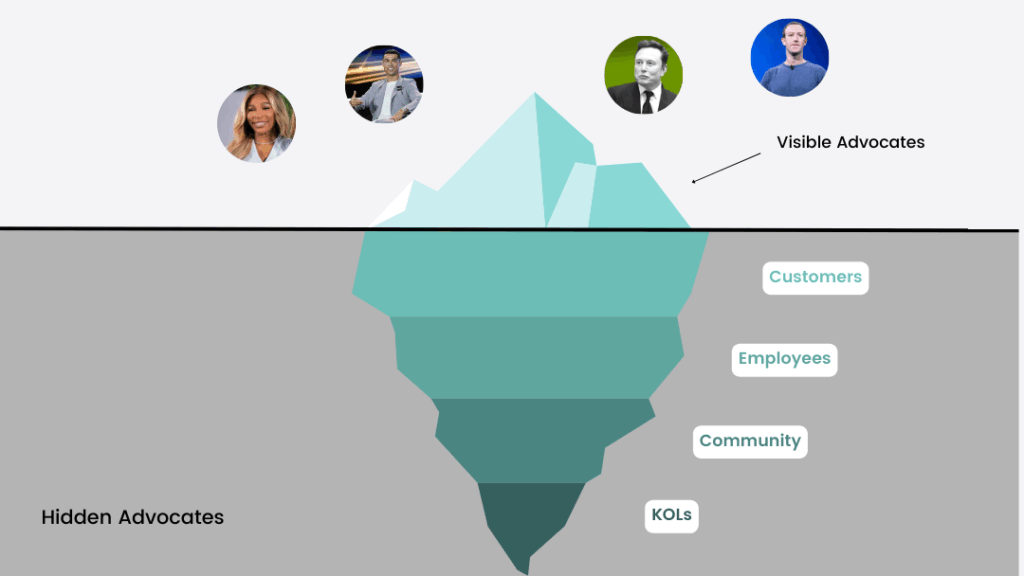
🌟Visible brand advocates
These are the easiest to spot.
They are public, highly visible, and often strongly associated with the brand’s image.
Big brands usually have at least one.
They can be:
- Founders, CEOs, or owners who embody the company, like Elon Musk for Tesla
- Public figures hired to represent the brand, such as brand ambassadors
- Celebrities with a real stake in the business, like Roger Federer with On
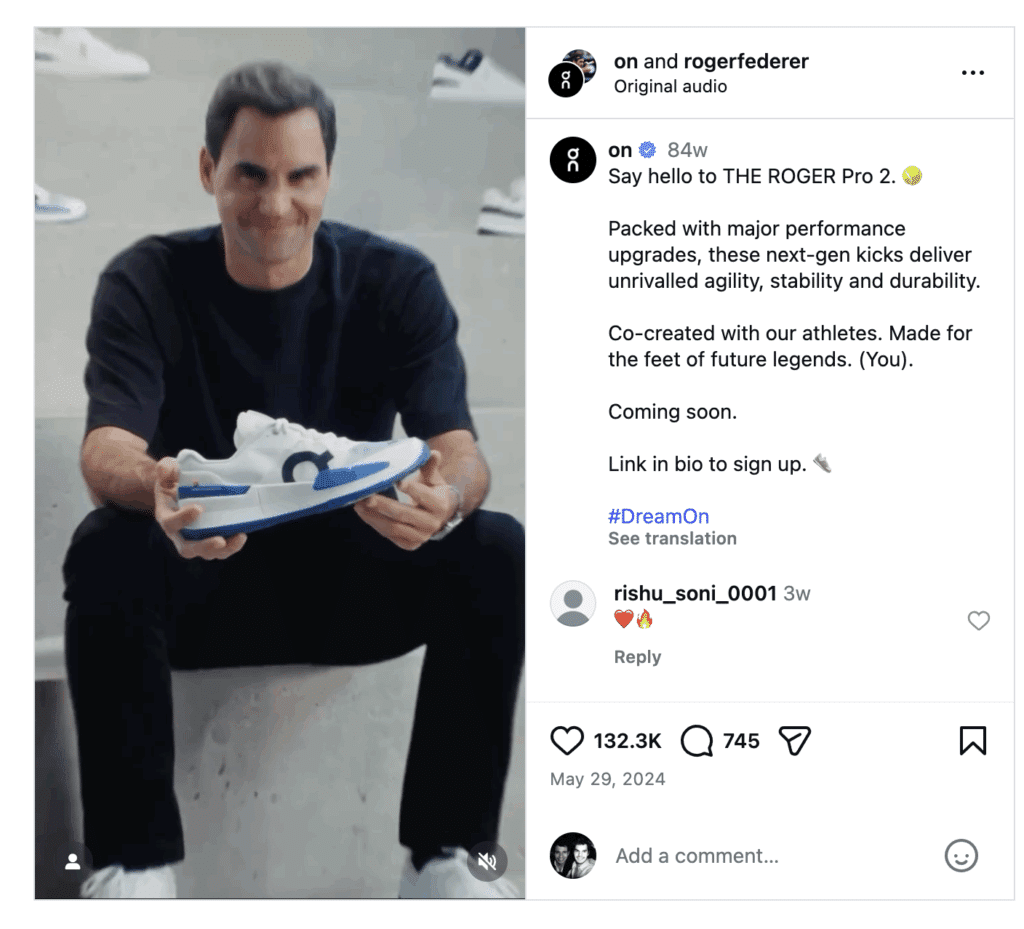
These advocates bring visibility and attention at scale.
But they are only the tip of the iceberg.
🥷Hidden brand advocates
Hidden advocates are different.
They are not always famous. They don’t always post publicly. And they are often overlooked.
Here are the different types of brand advocates (hidden):
1. Customer Brand Advocacy
This is the most common and powerful type.
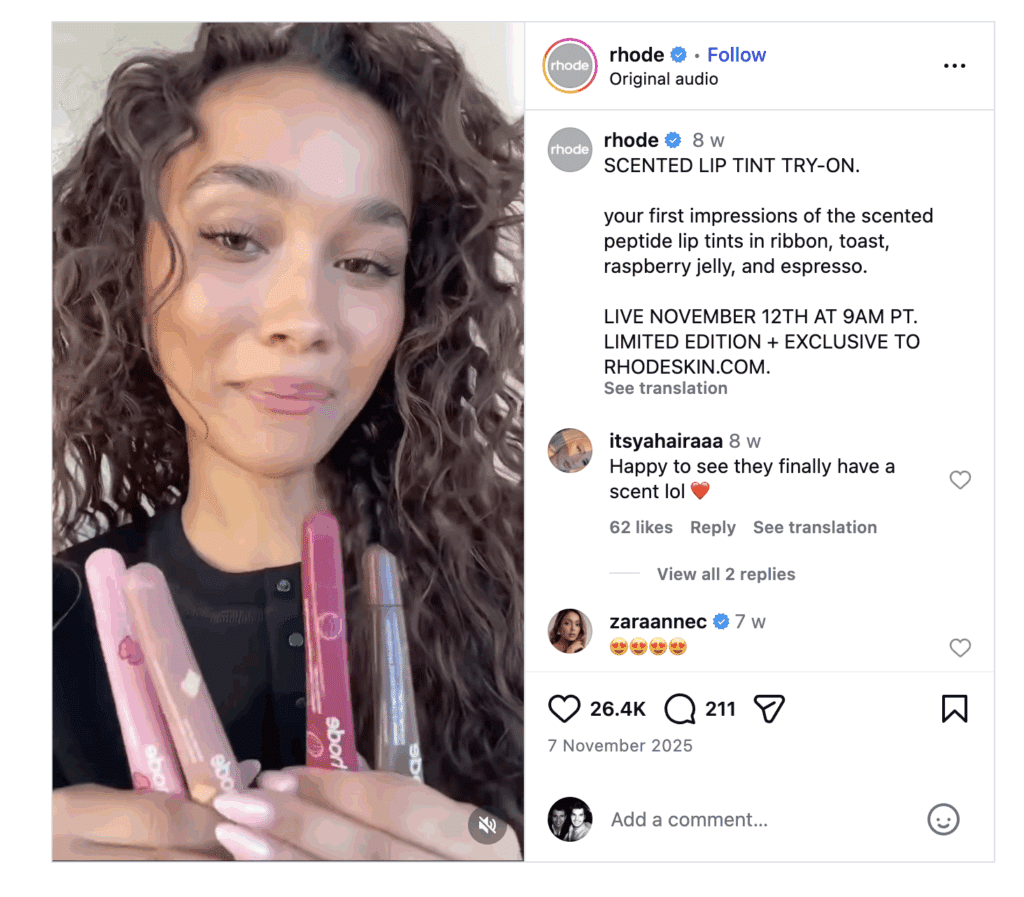
Customers recommend a brand because:
- The product works
- The customer experience is great
- Customer service solved a real problem
This is classic word-of-mouth marketing and the foundation of most customer advocacy strategies.
2. Employee Brand Advocacy
Employees can also become strong brand advocates.
When company culture is healthy and people are proud of where they work, they naturally:
- Share company content
- Talk about the brand online
- Recommend the company to others
Employee brand advocacy plays a key role in trust and long-term credibility.
3. Creator and Brand Ambassador Advocacy (KOLs)
Some creators start as paid partners or brand ambassadors, but over time become genuine brand advocates.
This also includes KOLs (Key Opinion Leaders).
KOLs are not always traditional influencers. They are often experts in a specific domain, such as fitness, skincare, tech, finance, or B2B marketing.
What makes them powerful advocates is not just their audience size, but their credibility and expertise.
These brand advocates usually:
- Truly use the product
- Understand the category deeply
- Speak with authority to a specific target audience
- Build long-term trust with their community
When creators, ambassadors, or KOLs genuinely believe in a brand, their advocacy feels natural and highly persuasive.
That’s why many strong brand advocacy programs focus on long-term relationships with experts, not just one-off sponsored posts.
4. Community Advocacy
Communities also create powerful brand advocates.
Members who actively participate in:
- Online groups
- Forums
- Brand-led communities
They often become long-term advocates who support the brand publicly and repeatedly.
In reality, the strongest brand advocacy programs combine several of these types at once.
That’s how advocacy scales without losing authenticity.
The hidden advocates may not have massive reach individually, but together they represent the largest and most credible group of advocates a brand has.
What we see above the surface are the visible advocates. What really drives long-term advocacy sits underneath.
Once you understand this difference, it becomes much easier to see where brand advocacy really comes from and why most advocacy strategies should focus on more than just visible faces.
It’s also important to note that clear communication and respectful engagement are critical to maintaining strong brand relationships. Check our guide to Social Media Etiquette.
Now that we understand who brand advocates really are and where they come from, let’s look at how top brands put this into action in the real world 👇
7 Brand Advocacy Programs From Top Brands
Brand advocacy is not abstract. The best brands already rely on it to grow faster, cheaper, and with more trust.
Here are 7 brand advocacy examples that show how it works in the real world.
1. Dropbox – Referral-Driven Customer Advocacy
Dropbox rewarded users with extra storage when they invited friends.
No ads. No influencers. Just customers recommending a product they already used.
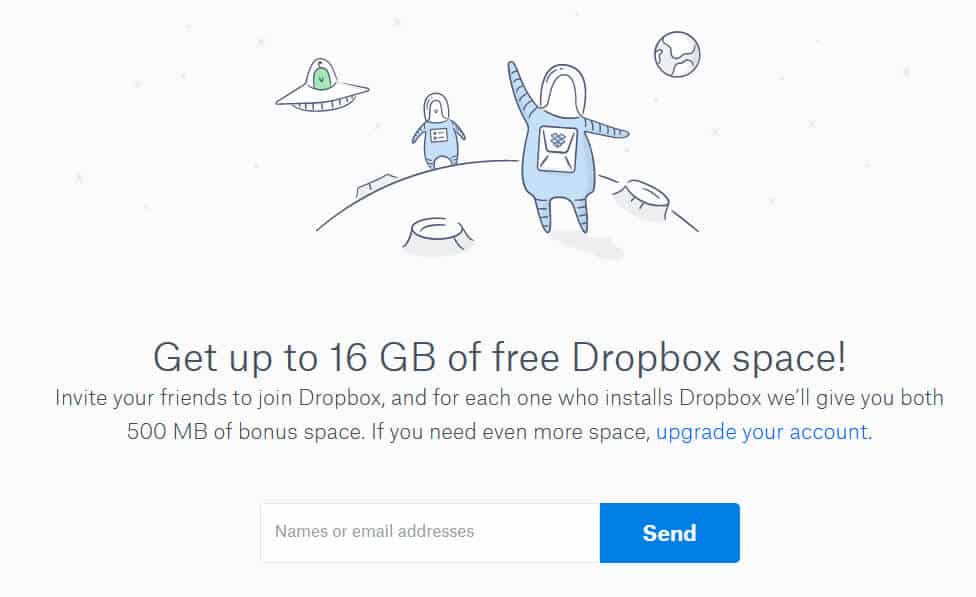
🚀Result:
- Referrals became one of Dropbox’s main growth drivers.
- ~3,900% user growth in 15 months
- Referrals drove ~35% of allsignups
- Near-zero CAC for referred users
💡Why it worked:
The reward matched the product value. Sharing felt natural.
2. Apple — “Shot on iPhone” as Global Advocacy
Apple encouraged customers to share photos taken with their iPhones.
Those photos later became global billboards and campaigns.
This is customer brand advocacy at scale.
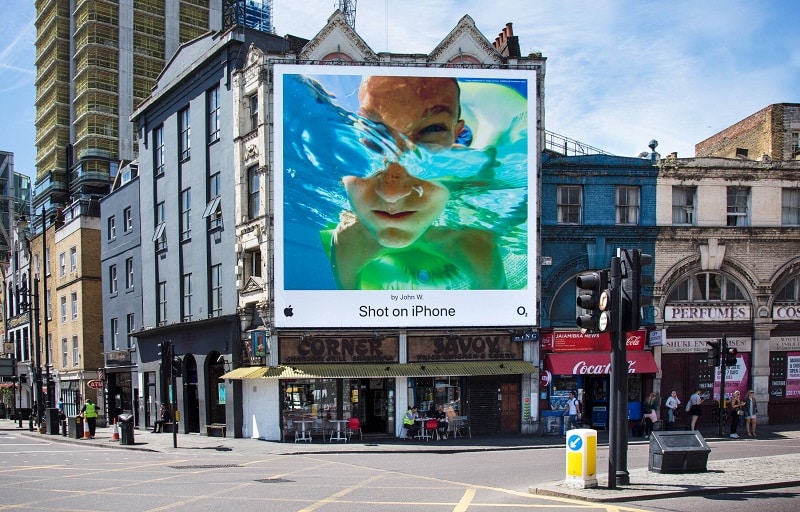
🚀Result:
- Millions of user-generated photos submitted
- Campaign ran in 25+ countries
- Became one of Apple’s longest-running global campaigns
- Helped position iPhone cameras as best-in-class worldwide
💡Why it worked:
Apple turned user generated content into premium media.
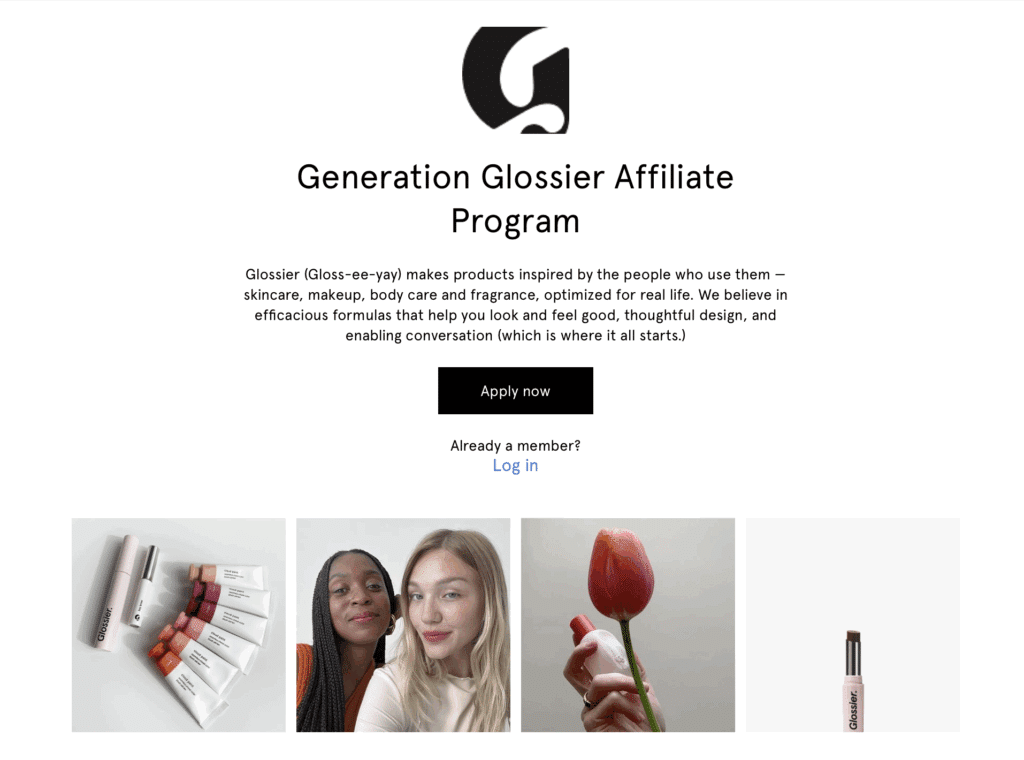
3. Glossier — Customers Before Influencers
Glossier built its brand by listening to customers and featuring them everywhere.
On Instagram. On the website. In product launches.
Customers became advocates because they felt part of the brand.
🚀 Result:
- 70%+ of early revenue driven by community
- $0 spent on traditional ads during early growth
- Built a cult-like brand advocacy engine in beauty
💡 Why it worked:
Advocates felt like insiders, not marketers.
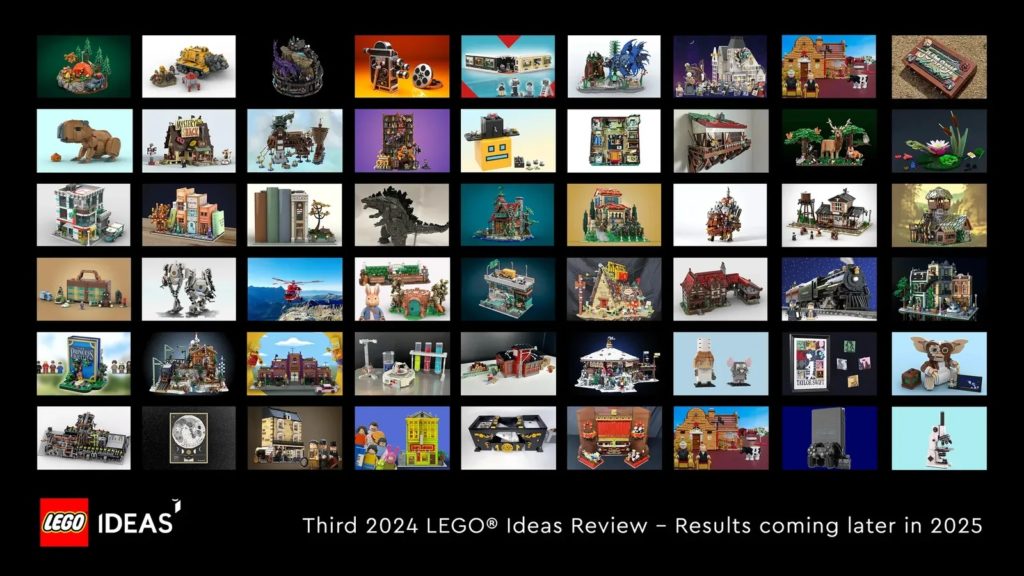
4. LEGO — Let Fans Design the Product
LEGO invited fans to submit and vote on product ideas. If an idea reached 10,000 votes, LEGO reviewed it for production.
This turned brand advocates into co-creators.
🚀 Result:
- 50,000+ submitted product ideas
- 1M+ registered community members
- Multiple fan-designed sets became best-sellers
- LEGO returned to double-digit growth after its turnaround
💡 Why it worked:
Advocacy became ownership.
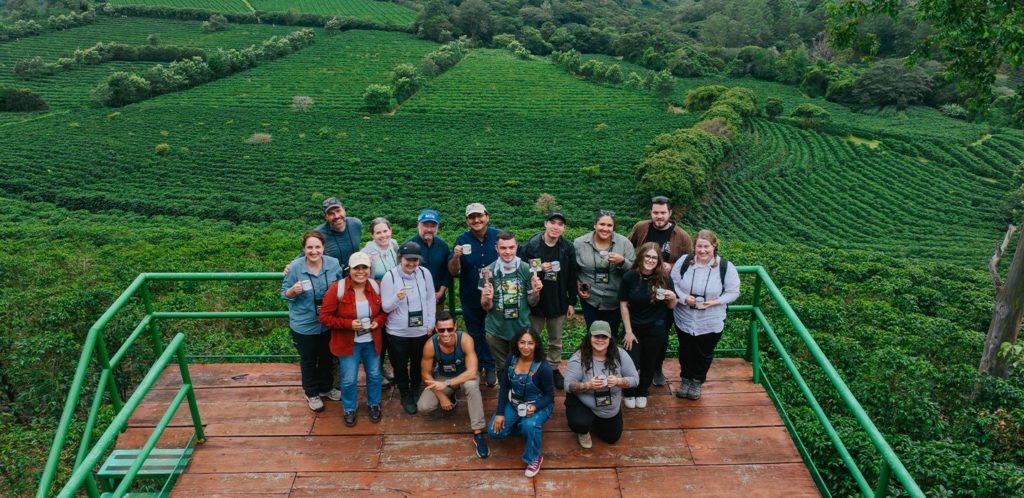
5. Starbucks — From Employees to Global Creators
Starbucks hired employees and creators as full-time brand storytellers.
They were paid to travel and document coffee culture around the world.
This elevated employee brand advocacy into a real career path.
🚀 Result:
- 1,800+ applications for just 2 roles
- Creators with 1M+ followers selected
- Content produced across 10–15 global markets
- Massive earned media and organic buzz
💡 Why it worked:
Starbucks treated advocates like talent, not channels.
6. Lululemon — Structured Advocacy Program
Lululemon partnered with yoga teachers, trainers, and runners instead of celebrities. These ambassadors hosted classes, events, and local meetups.
Advocacy started offline and spread organically online.

🚀 Result:
- 400+ local ambassadors globally
- Significantly higher emotional brand connection in communities
- Became one of the most trusted activewear brands
- Revenue scaled beyond $9B annually
💡 Why it worked:
People trust community leaders more than influencers.
7. Revolve — Creators as Revenue Partners
Revolve treated creators as business partners, not billboards.
They earned commissions, store credit, and long-term perks based on sales.
This is advocacy advertising aligned with outcomes.
🚀 Result:
- Creator advocacy drives the majority of Revolve’s revenue
- Built a $1B+ fashion brand largely through creators
- One of the highest-ROI advocacy models in retail
💡 Why it worked:
Creators were paid like sales partners, not media placements.
Key takeaway
Across all these brand advocacy programs, the pattern is clear.
The strongest advocacy strategies reward trust, ownership, and long-term alignment. That’s how brand advocacy scales without losing authenticity.
In 2026, brand advocacy isn’t a nice-to-have. It’s a core marketing lever.
Why Brand Advocacy Matters for Marketing in 2026
Brand advocacy matters because trust is now the main driver of growth.
Trust beats traditional advertising
People trust friends and family more than ads.
Lower acquisition costs
Advocacy reduces reliance on paid media and lowers CAC.
Stronger customer loyalty
Advocates are usually repeat customers with higher lifetime value.
Better content marketing
Advocates generate reviews, posts, and user generated content that improves brand visibility.
According to Edelman, consumers are more likely to trust brands they already use.
So how do you turn this into a system instead of a one-off win?
That’s the role of a brand advocacy program 👇
What Is a Brand Advocacy Program?
A brand advocacy program is a structured way to encourage and manage advocacy at scale.
It usually includes:
- Advocate identification
- Clear incentives or recognition
- Early access to products
- Loyalty program integration
- Measurement
The goal is to build a system where advocates come to you naturally.
Let’s look now at how to find brand advocates and they key techniques to do that 👇
How to Find Brand Advocates
Most brands already have brand advocates.
They just don’t know where to look.
Finding brand advocates is not about launching a campaign.
It’s about spotting signals of genuine advocacy across your customer base, employees, and social media.
Here are the most effective ways to do it.
1. Look at Your Happiest Customers First
Your best advocates are usually already close to you.
Start with customers who:
- Buy repeatedly
- Have high customer satisfaction
- Give high Net Promoter Score (NPS) ratings
- Leave positive reviews
- Contact customer service with constructive feedback
These people already trust your brand.
Advocacy often comes naturally next.
2. Monitor Social Media Mentions (Even Without Tags)
Many advocates talk about brands without tagging them.
They might:
- Mention your product in a Story
- Talk about your brand in a video
- Recommend you in comments
Brands that only track @mentions miss most advocacy.
Using tools like Click Analytic, teams can identify creators and customers who already mentioned their brand across Instagram, TikTok, and YouTube, then filter them by engagement rate, audience demographics, location, and follower size.
That’s often where hidden brand advocates live.
3. Analyze Who Engages With Your Content
Some people don’t post about your brand, but they engage constantly.
Look for users who:
- Comment regularly
- Defend your brand in replies
- Share your posts
- React to Stories
These are strong signals of brand love and early advocacy.
In many cases, the process of finding brand advocates overlaps with influencer discovery.
If you want a deeper, step-by-step breakdown of that process, this guide on how to find influencers on Instagram explains how to spot creators who already talk about brands organically.
4. Don’t Forget Employees
Employee brand advocacy is often overlooked.
Employees who:
- Share company content
- Talk proudly about their work
- Recommend the company online
can become some of your most credible advocates, especially in B2B and service-driven industries.
5. Study Your Competitors’ Advocates
Another smart shortcut is looking at who advocates for similar brands.
You can:
- Analyze competitor social media mentions
- Identify creators already promoting alternatives
- Understand which audiences respond to advocacy in your category
Running the same analysis on competitor brand names often reveals ready-to-convert advocates.
6. Let Advocates Come to You
The strongest brand advocacy programs don’t chase advocates.
They attract them.
Invite people to:
- Join communities
- Apply to ambassador programs
- Get early access to products
- Co-create content or give feedback
This turns advocacy into a pull mechanism instead of outreach.
But there is often confusion ⬇️
Brand Advocacy vs Advocacy Advertising vs Influencer Marketing
These concepts are often hard to distinguish. Here’s a simple explanation:
- Advocacy advertising is paid promotion designed to look organic
- Influencer marketing relies on paid brand ambassadors
- Brand advocacy marketing is organic and trust-driven
Influencers can become brand advocates over time.
But true advocacy does not start with a contract.
It starts with customer satisfaction.
Now… Once a brand advocacy program is in place, the next step is knowing whether it actually works.
That’s why measuring brand advocacy is just as important as building it 👇
How to Measure Brand Advocacy
How to measure brand advocacy depends on your goal.
Awareness metrics
- Mentions
- Reach and impressions
- Brand visibility
Content metrics
- User generated content volume
- Engagement rate
Business metrics
- Referral revenue
- Conversion rate
- Customer loyalty
Quality metrics
- Sentiment
- Audience relevance
Once you know what drives advocacy, the next step is building it intentionally.
Measuring advocacy performance also requires tracking key social media KPIs.
Let’s break down how to build brand advocacy step by step 👇
How to Build Brand Advocacy (9 Steps)
To build brand advocacy, follow this framework.
- Define one goal
- Identify existing advocates
- Segment your target audience
- Create advocacy moments like early access
- Provide content and prompts
- Make sharing easy on social media channels
- Reward loyalty, not volume
- Measure results
- Keep it authentic
Knowing how to build advocacy is one thing.
Avoiding the mistakes that kill it is just as important 👇
Common Brand Advocacy Mistakes
Brand advocacy looks simple from the outside.
But many programs fail not because the idea is wrong, but because the execution is.
Most mistakes happen when brands try to force advocacy instead of earning it.
- Treating advocacy like advertising
- Over-incentivizing
- Ignoring employee brand advocacy
- Not tracking performance
- Focusing on volume instead of quality
Advocacy fails when it feels forced.
FAQ: Brand Advocacy
What is brand advocacy?
Brand advocacy is when people promote a brand because they trust it and like it.
What is advocacy marketing?
Advocacy marketing is the strategy used to encourage and scale brand advocacy.
What are brand advocates?
Brand advocates are customers, employees, or creators who voluntarily promote a brand.
How do you build brand advocacy?
Focus on customer experience, identify advocates, and make sharing easy.
What is a brand advocacy program?
It is a structured system to manage and grow advocacy.
How to measure brand advocacy?
Track awareness, content, revenue, and sentiment metrics.
What is customer brand advocacy?
Customer brand advocacy happens when satisfied customers promote a brand to others.
Conclusion
Brand advocacy is not a trend.
It is how marketing works again.
When people trust people more than ads, brands must earn recommendations, not buy attention.
The companies winning in 2026 are not shouting louder.
They are building systems that turn customers into advocates.
That is the real power of brand advocacy.