Pero financiera, comercial y estratégicamente, su impacto está lejos de haber terminado ❌.

¿Qué ha pasado?
💡En enero de 2026, un Un tribunal italiano absuelve a Chiara Ferragni de los cargos de fraude con agravantes vinculada a la denominada Puerta de Pandoro escándalo de la tarta benéfica.
La sentencia puso fin a uno de los juicios sobre influencers más seguidos jamás en Europa y supuso una victoria legal para uno de los empresarios digitales más famosos del mundo.
Sin embargo, a pesar de la absolución, el caso desencadenó millones en pérdidas para el creador de contenidos italiano, La crisis económica, el colapso de asociaciones clave y un cambio fundamental en la forma en que las marcas, los reguladores y los consumidores perciben el comercio dirigido por personas influyentes.
En este artículo se desglosa 👇
👉 Lo que realmente era Chiara Ferragni Pandoro Gate
👉 Por qué Chiara Ferragni fue exculpada
👉 Cuán grande era su influencia antes del escándalo
👉 Lo que le costó comercialmente
👉 Y por qué sigue siendo importante hoy en día
(Todo ello con datos de audiencia propios y lecciones claras para los profesionales del marketing)
¿Preparados? Vamos a descubrirlo ⏬
¿Qué es el escándalo de Chiara Ferragni Pandoro Gate?
Recapitulemos.
El escándalo de Chiara Ferragni Pandoro Gate comenzó como una campaña benéfica navideña y rápidamente se convirtió en una polémica nacional.
A finales de 2022, Ferragni se asoció con Balocco, una de las marcas de confitería más conocidas de Italia, para promocionar una edición limitada de sus productos. tarta de navidad pandoro rosa.
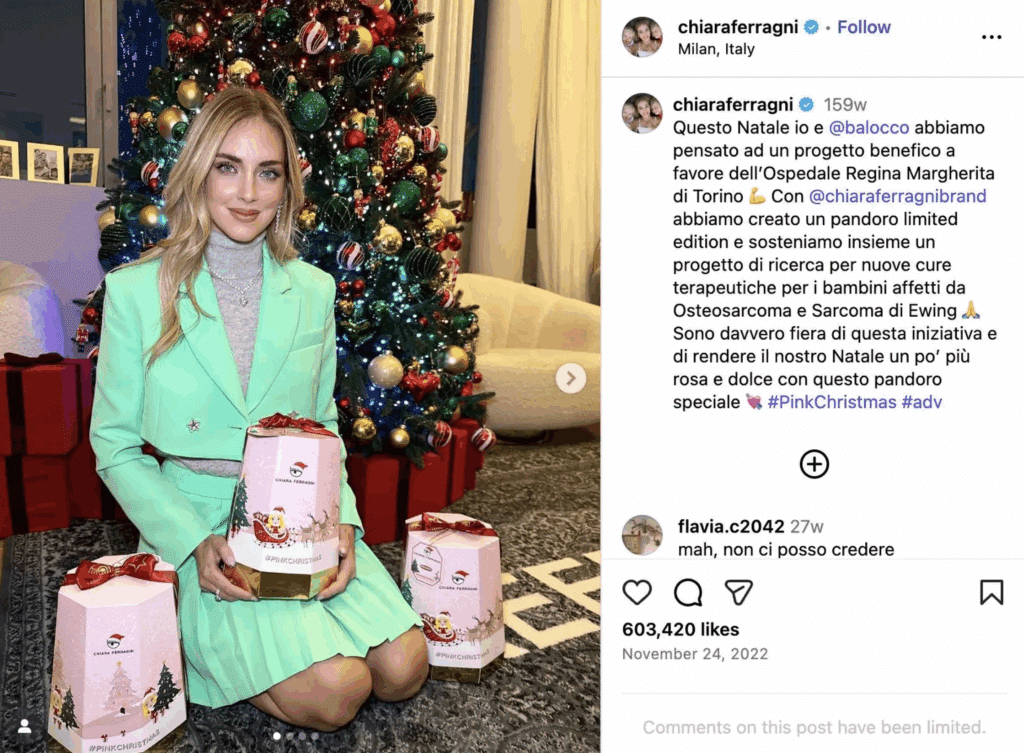
La campaña sugería que la compra del producto ayudaría a financiar un hospital infantil de Turín.
El problema no era la donación en sí, sino cómo se comunicó...
Lo que encontraron las autoridades
Las investigaciones posteriores revelaron que:
👉 El hospital recibió un donación fija de 50.000 euros, hecho antes de lanzamiento de la campaña
👉 La donación fue no vinculado al volumen de ventas
👉 La comunicación de marketing daba a entender que cada compra contribuía a la causa benéfica
👉 Las empresas de Ferragni recibieron importantes compensaciones comerciales de la campaña
Las autoridades italianas de protección de los consumidores concluyeron que la campaña engañosa, aunque no se hayan malversado fondos.
El resultado:
💰 Multas administrativas superiores a 1 millón de euros
🗞️ Una reacción nacional
🚔 Una investigación más amplia sobre las prácticas de marketing de influencers en Italia
Lo que empezó como una polémica de marketing se convirtió rápidamente en una investigación penal del fraude, a la que los medios de comunicación italianos se refieren comúnmente como Puerta de Pandoro.
Ahora, vamos a comprobar el resultado de la investigación 👇
Por qué Chiara Ferragni fue absuelta de cargos de fraude
En enero de 2026, un tribunal de Milán exculpó a Chiara Ferragni de los cargos de fraude con agravantes relacionados con la Puerta de Pandoro campaña benéfica de pasteles.
La decisión marcó el final de la investigación penal que había seguido a Ferragni durante más de un año y atrajo un intenso escrutinio público y mediático.
Sentencia del Tribunal
Según las conclusiones del tribunal, los fiscales no establecieron los elementos necesarios para fraude penal, en particular:
❌ Falta de intención delictiva probada.
El tribunal concluyó que no había pruebas suficientes de que Ferragni tratara intencionadamente de engañar a los consumidores para obtener un beneficio personal de forma que se cumpliera el umbral del fraude con agravantes.
❌ Responsabilidad administrativa frente a responsabilidad penal
Los jueces determinaron que la conducta estaba comprendida en protección de los consumidores y derecho de la publicidad, no penal.
Esas infracciones habían ya ha sido sancionado por la autoridad italiana de competencia mediante multas y medidas correctoras.
❌ Sin responsabilidad penal personal
Aunque Ferragni era el rostro público de la campaña, el tribunal dictaminó que no se la podía considerar personalmente responsable penalmente por la estructura y ejecución del acuerdo comercial al nivel requerido para una condena por fraude.
💡En resumen, el tribunal trató Puerta de Pandoro como un caso de comunicación comercial engañosa, no una estafa criminal.
Esta distinción es fundamental:
Ferragni fue no declarados “inocentes” en sentido moral o comercial, sino más bien no responsable penalmente según la legislación italiana.
Por qué la absolución no cierra del todo el capítulo
Aunque el caso de fraude penal ya está cerrado, Puerta de Pandoro es no del todo detrás de ella.
Quedan por resolver varias cuestiones jurídicas y financieras:
- Litigios civiles y mercantiles
La empresa de Ferragni sigue participando en litigios comerciales relacionados con las asociaciones rescindidas, incluidos los litigios sobre acuerdos de licencia y los supuestos daños y perjuicios tras el escándalo. - Reclamaciones contractuales de antiguos socios
Algunos antiguos socios han solicitado indemnizaciones, alegando que la controversia provocó incumplimientos contractuales o perjuicios económicos. - Posibles recursos y seguimiento del procedimiento
Mientras se mantenga la sentencia penal, el procedimiento judicial italiano permite recursos o procedimientos conexos en casos conexos, aunque se haya desestimado la acusación penal principal. - Control reglamentario permanente
El caso ya ha contribuido a una regulación más estricta del marketing de influencers en Italia, y es probable que las futuras campañas de Ferragni se enfrenten a mayor supervisión.
Como resultado, mientras Ferragni ha despejó el riesgo penal más grave, La limpieza legal y financiera sigue su curso.
Por qué es importante más allá de los tribunales
Desde una perspectiva empresarial y de marketing, la absolución pone de relieve una realidad creciente en el marketing de influencers:
-> Un creador puede ganar legalmente y aun así perder comercialmente.
La sentencia judicial eliminó la amenaza de prisión y responsabilidad penal.
Lo hizo no:
- Recuperar la confianza en la marca de la noche a la mañana
- Revertir las asociaciones perdidas
- Recuperar los ingresos perdidos
Desde un punto de vista jurídico, la causa penal terminó ahí.
Pero desde el punto de vista empresarial, el daño ya estaba hecho 👇.
Antes de Pandoro Gate: ¿Cómo de grande era Chiara Ferragni?
Antes del escándalo de Chiara Ferragni Pandoro Gate, Ferragni era ampliamente considerada como una de las figuras más influyentes del marketing global de influencers.
Su escala y huella empresarial la situaron más cerca de un empresa de medios de comunicación y marcas de consumo que un creador de contenidos tradicional.
Una década de influencia mundial
Ferragni lanzó La ensalada rubia en 2009 como blog de moda. En la década siguiente, evolucionó hasta convertirse en una marca multiplataforma que abarca contenidos, comercio, licencias y asociaciones.
A principios de la década de 2020, su influencia iba mucho más allá de las redes sociales.
Indicadores clave del alcance de Ferragni antes del escándalo
En su mejor momento, la presencia digital y el ecosistema empresarial de Ferragni incluían:
🌐 Una de las influencers más seguidas en todo el mundo
Ver esta publicación en Instagram
🖥️ La ensalada rubia llegando a aproximadamente 800.000 visitas diarias al sitio web en su apogeo

🤝 Una cartera de asociaciones con marcas mundiales moda, belleza, lujo y bienes de consumo
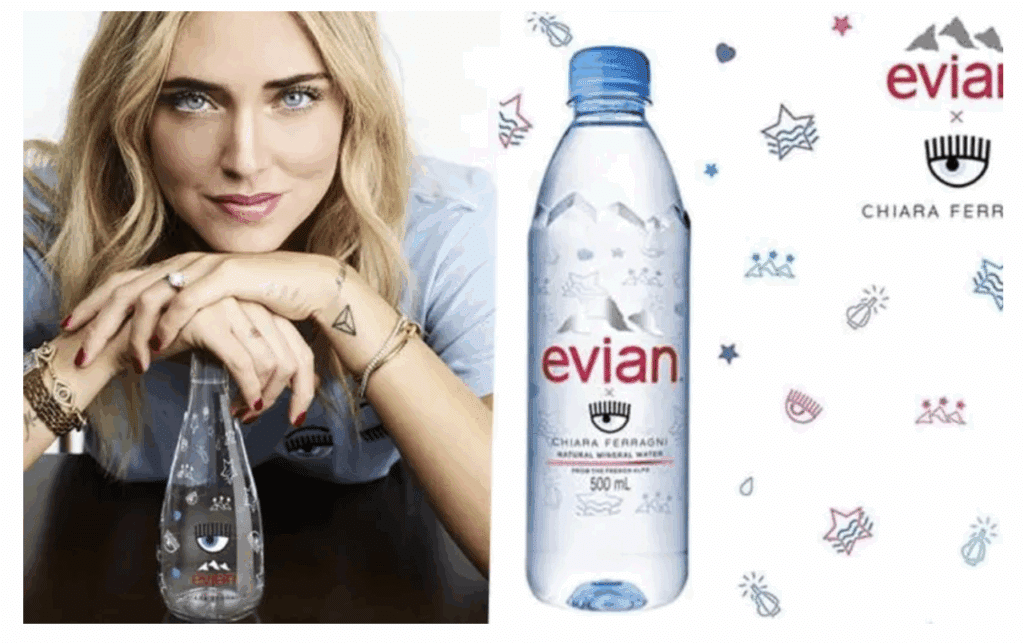
💰 Múltiples fuentes de ingresos, incluidos acuerdos de licencia, colaboraciones en productos, apariciones y empresas respaldadas por capital.
Ver esta publicación en Instagram
Una valoración empresarial estimada de alrededor de $82 millones, según informa Forbes
Su influencia fue citada con frecuencia como punto de referencia:
- Cómo los creadores pueden convertirse en empresas de pleno derecho
- Cómo monetizar las audiencias de las redes sociales en todos los canales
- Cómo la marca personal puede traducirse en valor empresarial a largo plazo
De influencer a referente del sector
El modelo de Ferragni ayudó a definir lo que era el emprendimiento dirigido por influencers a gran escala. Participó en importantes eventos de moda, colaboró con empresas multinacionales y a menudo fue mencionada en debates sobre la profesionalización del marketing de creadores.
Este nivel de visibilidad es precisamente la razón por la que Puerta de Pandoro resonó mucho más allá de Italia.
La polémica no afectó a un nicho de personalidad en línea.
Afectó a una de las empresas de influencers más consolidadas de Europa.
Veamos los detalles 👇
El impacto comercial de Pandoro Gate
Aunque Ferragni fue absuelto de cargos penales, las repercusiones comerciales fueron inmediatas y graves.
Asociaciones de marcas congeladas o canceladas
Después de que estallara el escándalo:
❌ Varias colaboraciones importantes en pausa o finalizado
Safilo, su socio de licencias de gafas, puso fin a su contrato
❌ A Anuncio de Coca-Cola, rodada para el Festival de Sanremo (Italia), no llegó a estrenarse.
❌ Otras marcas se retiraron discretamente debido a preocupación por la seguridad de las marcas
Para las marcas, el problema no era la legalidad, sino las relaciones públicas. riesgo.
En el marketing de influencers, la confianza percibida es a menudo más importante que los matices jurídicos.
Pérdida de seguidores y erosión de la confianza
La reacción pública no se hizo esperar.
En unas semanas:
👉 Ferragni perdió ~150.000-200.000 seguidores en Instagram
👉 Bajan los índices de compromiso
El sentimiento de los medios de comunicación italianos se ha vuelto muy negativo.
Para una creadora de su talla, la pérdida de seguidores por sí sola no era existencial.
Pero fue un señal visible de erosión de la confianza.
El verdadero daño: el colapso de los ingresos
El impacto más significativo de Pandoro Gate fue financiero.
Según las cifras comunicadas:
- Los ingresos de su empresa principal cayeron de ~€11-12M a ~€2M
- Las pérdidas combinadas de todas sus empresas alcanzaron ~€5.7M
- Ferragni personalmente inyectó 7 millones de euros de su propio capital para mantener vivas las operaciones
A pesar de ganar en los tribunales, Pandoro Gate acabó con la mayor parte del valor de su negocio.
Esta es la contradicción clave del caso:
La inocencia legal no evitó las consecuencias económicas.
Cambio estructural: Por qué puede reconstruirse
Una de las consecuencias menos discutidas de la Puerta de Pandoro de Chiara Ferragni es su profunda transformación. estructura de su negocio.
Antes del escándalo, Ferragni operaba dentro de un modelo multiaccionarial, basado en asociaciones, en el que el crecimiento dependía de socios licenciatarios, inversores externos y colaboraciones de marca.
Después de la Puerta de Pandoro, esa estructura cambió radicalmente.
Un cambio en la propiedad y el control
Antes de la crisis, Ferragni poseía alrededor de 32% de su principal empresa operativa. Tras la recapitalización y la inyección de capital personal de 7 millones de euros, ahora controla aproximadamente 99% de la empresa.
Esto le da:
- Control estratégico total sobre la dirección de la marca
- La capacidad de simplificar la toma de decisiones
- Libertad para reconstruir sin alinearse con múltiples partes interesadas externas
En la práctica, Ferragni pasó de ser un fundador minoritario en una estructura compleja a ser el único responsable de la toma de decisiones.
Eso importa.
De la escala a toda costa a la reconstrucción selectiva
En su mejor momento, el modelo de crecimiento de Ferragni se basaba en:
Colaboraciones con marcas de gran volumen. Amplios acuerdos de licencia
Y... máxima exposición en todas las categorías.
Pandoro Gate puso de manifiesto la fragilidad de ese planteamiento cuando se cuestiona la confianza.
La reconstrucción probablemente requiera una estrategia diferente:
✔️ Menos asociaciones, más alineación
✔️ Separación clara entre acuerdos comerciales y mensajes con causa
✔️ Colaboraciones a más largo plazo en lugar de campañas a corto plazo
✔️ Comunicación transparente sobre patrocinios, donaciones e incentivos
En otras palabras, pasar de máxima monetización a la máxima credibilidad.
Aprovechamiento de los activos propios frente a las asociaciones
A diferencia de muchos influencers, Ferragni sigue controlando:
👉 Una marca personal reconocida en todo el mundo
👉 Una relación directa con más de 28 millones de seguidores
👉 Canales propios y datos de audiencia de origen
Esto le permite reconstruir priorizando:
- Iniciativas directas al consumidor
- El producto cae bajo su propia marca, con menos intermediarios
- Narración controlada sin presión externa de las marcas
- Menor dependencia de los socios de licencias
Ser propietaria de la audiencia, en lugar de alquilarla, le da flexibilidad para experimentar sin que la reputación de terceros se vea afectada.
Reposicionarse de influyente a fundador de nuevo
Una posible vía de reconstrucción es replantear su discurso público.
En lugar de volver inmediatamente al marketing masivo de influencers, Ferragni puede:
- Inclinarse hacia un posicionamiento liderado por los fundadores
- Centrarse en la reconstrucción empresarial entre bastidores
- Restablecer la credibilidad mediante la transparencia y la coherencia
- Reducir la frecuencia, aumentar la sustancia
Este enfoque refleja el modo en que algunos fundadores se recuperan tras la crisis:
menos promoción, más explicación.
Por qué el público le sigue dando margen para reconstruirse
A pesar de todo, la audiencia de Ferragni sigue siendo amplia y demográficamente valiosa, pero también alineada con los contenidos de moda y estilo de vida.
Y lo que es más importante, la erosión de la audiencia ha sido limitada en relación con su escala.
Esto sugiere que, aunque la confianza se vio dañada, no se borró.
Para Ferragni, la reconstrucción no requiere recuperar millones de seguidores.
Requiere redefinir cómo monetiza los que ya tiene.
La verdadera limitación: la confianza en la marca, no el alcance
El mayor obstáculo para la reconstrucción no es la visibilidad.
Es la percepción de la seguridad de la marca.
Muchas marcas exigirán ahora:
- Contratos más estrictos
- Información más clara
- Mayores garantías jurídicas y de reputación
Por lo tanto, la reconstrucción se convierte en un proceso más largo y lento, pero también más resistente si tiene éxito.
Por qué esto importa más allá de Chiara Ferragni
La situación de Ferragni pone de relieve un cambio más amplio en el marketing de influencers:
Los creadores pueden perder monetización antes de perder influencia.
Su capacidad de reconstrucción dependerá probablemente menos del aumento de seguidores y más de:
- Disciplina estructural
- Transparencia
- Asociaciones selectivas
- Reconstruir la confianza a largo plazo
Si tiene éxito, su regreso no sólo sería personal, sino que redefiniría cómo es la recuperación de los influencers tras la crisis en una era más regulada.
📊 Click Analytic - Instantánea de la audiencia de Chiara Ferragni (Instagram)
Para entender por qué Ferragni sigue siendo importante, es importante observar los datos de Click Analytic.
A pesar del escándalo, su audiencia sigue siendo una de las más valiosas en el marketing de influencers.

Audiencia general
- Plataforma: Instagram
- Seguidores: 28,057,810
- Crecimiento reciente: -1.26%
Desglose por sexo
- Mujer: 69.58%
- Hombre: 30.42%
Distribución por edades
- 25-34: 45.20%
- 18-24: 30.32%
- 35-44: 14.59%
- 45-64: 5.57%
Países principales
- Italia: 42.00%
- Estados Unidos: 6.09%
- Brasil: 4.64%
Intereses principales
- Moda, ropa, accesorios
- Belleza y estilo de vida
- Viajes y experiencias premium
- Alimentación y restaurantes
Métricas de compromiso
- Tasa de compromiso estimada: 0.88%
- Gustos medios: ~246,000
- Vistas medias del carrete: ~4.19M
Qué significa
Ferragni todavía alcanza:
- A público femenino, orientado a la compra
- Una de las franjas de edad más valiosas (25-34)
- Una base de consumidores internacional alineada con las marcas de moda y estilo de vida
👉 El valor de audiencia sigue ahí.
👉 El riesgo reputacional es lo que ahora las marcas evalúan de forma diferente.
Lo que los profesionales del marketing pueden aprender de Chiara Ferragni Pandoro Gate
El caso Chiara Ferragni Pandoro Gate ya no es sólo una historia de famosos.
Es un estudio de caso sobre la economía moderna de las personas influyentes.
Lecciones clave
1️⃣ El cumplimiento de la ley no equivale a seguridad comercial
2️⃣ La confianza es la verdadera moneda de cambio del marketing de influencers
3️⃣ Las grandes audiencias pueden sobrevivir a la controversia, pero la monetización a menudo no.
4️⃣ El marketing relacionado con una causa debe ser transparente, demostrable y preciso.
5️⃣ Los influencers son tratados ahora como empresas de comunicación, no individuos
Ferragni no perdió su influencia de la noche a la mañana.
Perdió el facilidad con la que las marcas podrían monetizarlo de forma segura.
Puerta Chiara Ferragni Pandoro: Preguntas frecuentes
¿Es culpable Chiara Ferragni?
No. Fue absuelta de los cargos de fraude con agravantes en enero de 2026.
¿Qué es la Puerta de Pandoro?
Un escándalo relacionado con una engañosa campaña benéfica de pasteles pandoro.
¿Perdió dinero?
Sí. Pandoro Gate le costó millones en ingresos perdidos y asociaciones.
¿Ha terminado el caso?
El caso penal está cerrado. Quedan los litigios civiles y mercantiles.
La cuestión pendiente
Chiara Ferragni fue absuelta de los cargos de fraude.
Pero Pandoro Gate aún le cuesta millones.
Con una audiencia de primera y el control total de su empresa, la pregunta final es sencilla:
¿Puede una de las personas influyentes más famosas del mundo restablecer la confianza o ha cambiado Pandoro Gate definitivamente las reglas del marketing de personas influyentes?