O Gambito de IA de Jake Paul: Investimentos e Deepfake
O que está acontecendo com Jake Paul e Sora?
Jake Paul, conhecido por sua carreira no YouTube e por suas proezas no boxe, mergulhou fundo no mundo da IA generativa.
Ele investiu ativamente em empresas orientadas por IA e adotou o novo aplicativo de criação de vídeos Sora, permitindo que sua imagem seja remixada, imitada e monetizada.
Esse movimento o coloca na interseção da economia do criador, da cultura deepfake e da monetização da identidade.
Os investimentos e o apoio tecnológico
Por meio de seu veículo de risco Anti Fund (que ele co-fundou), Paul lista IA, robótica e software como temas centrais.
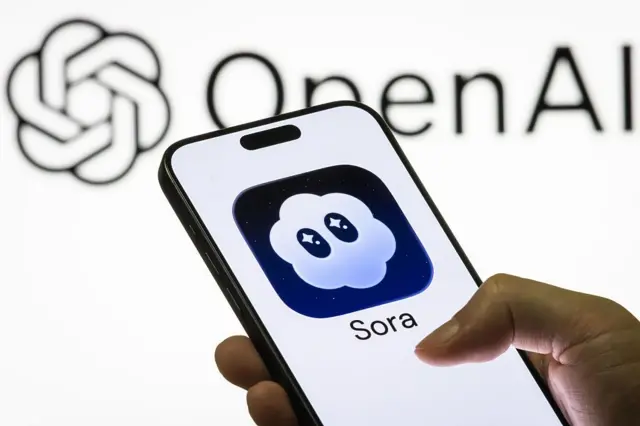
Especificamente, o Anti Fund declara publicamente investimentos em empresas como a OpenAI e a Anduril Industries.
Embora a verificação independente da participação direta de Paul na OpenAI permaneça limitada, sua associação por meio do apoio de uma empresa de investimentos aumenta a credibilidade das alegações de que ele está financeiramente envolvido no ecossistema de IA.
Seu envolvimento em plataformas como a Sora (abaixo) ressalta que isso é mais do que uma exposição financeira passiva - é uma jogada estratégica ativa.
O experimento Sora deep-fake, o que Paul está fazendo
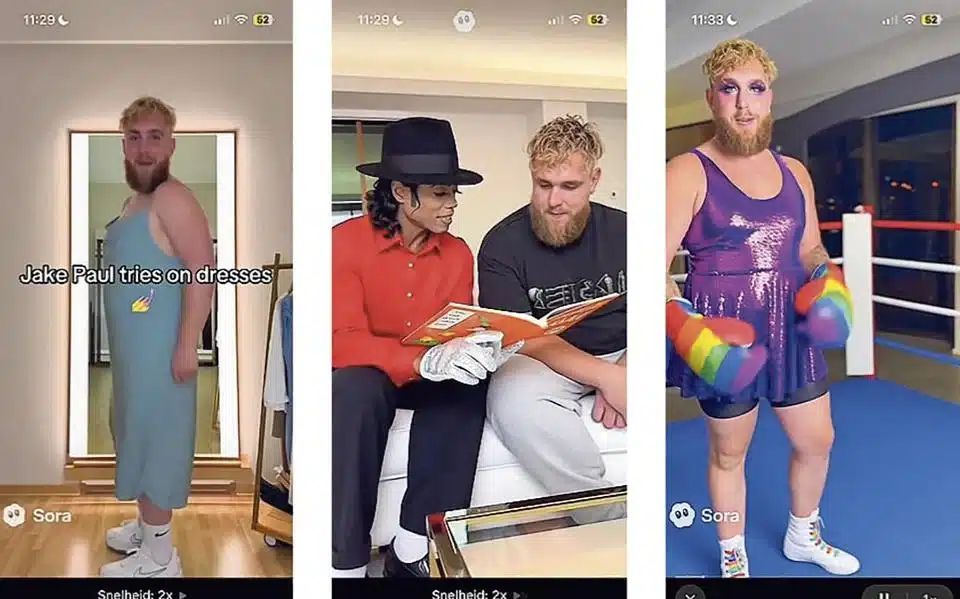
Paul optou abertamente pelos recursos de vídeo no estilo “cameo” do Sora. Em um caso amplamente divulgado, os usuários criaram vídeos do Sora de Paul em papéis inesperados: usando maquiagem, adotando gêneros diferentes e até mesmo vestindo vestidos.
Em vez de resistir a esses clones, Paul parece se inclinar para eles. De acordo com a cobertura:
- Ele publicou um vídeo em que ele mesmo aplicava maquiagem, fazendo referência direta às versões dele geradas por IA.
- Ele desafiou publicamente os outros: “Vou processar todo mundo que continua a espalhar essas falsas narrativas de mim fazendo coisas que eu literalmente nunca faria”, mesmo quando se referiu aos clipes em tom de brincadeira.
- Os observadores sugerem que esse comportamento faz parte de uma estratégia mais ampla: posicionar sua personalidade e semelhança como diretamente monetizáveis por meio de novas ferramentas de IA.
Por que isso é importante e quais são os riscos
Economia do criador e monetização da identidade
A abordagem de Paul sinaliza uma mudança: a identidade da reputação não é apenas um conteúdo, é um ativo licenciável. Ao colocar sua imagem no playground da IA, ele aposta efetivamente que sua marca pode ser remixada, reproduzida e monetizada por meio de ferramentas de terceiros.
Se funcionar, ele ganhará atenção, novos fluxos de receita e posicionamento cultural.
Ética e direitos de semelhança do Deepfake
Mas o outro lado é preocupante. O Sora e ferramentas semelhantes permitem imitações ultrarrealistas, levantando questões sobre consentimento, uso indevido de identidade e diluição da marca.
Embora Paul tenha optado por participar, muitas figuras públicas o fizeram não - e as grades de proteção de Sora já foram apontadas como fracas.
Implicações financeiras e regulatórias
Como a identidade agora é uma mercadoria em potencial, podemos ver o surgimento de novas estruturas legais/regulatórias em torno do “aluguel de seu rosto” e do “licenciamento de sua imagem para uso generativo de IA”.”
Paul pode estar à frente da curva, mas a infraestrutura (contratos, direitos, royalties) ainda é incipiente.
O que observar a seguir
- Se Paul (ou o Anti Fund) confirma publicamente uma participação acionária específica na OpenAI ou em um empreendimento relacionado.
- O modelo de monetização: A imagem de Paul se tornará uma mercadoria que os usuários pagarão para acessar por meio de ferramentas do tipo Sora?
- Como os outros criadores responderão: Veremos uma onda de acordos do tipo “opt-in your face” ou reações contrárias e ações legais?
- Movimentos regulatórios: Dado o ritmo acelerado do uso de deepfake liderado por criadores, os legisladores poderão em breve entrar no espaço com novas regras sobre consentimento, royalties e marca.
O movimento de IA de Jake Paul é mais do que uma façanha - é um experimento de alto risco na economia da identidade.
Independentemente de ser vantajoso ou não, isso destaca uma grande mudança: na era dos criadores, seu rosto poderá, em breve, ser sua marca e sua empresa.
Fontes


TUDO EM UM APLICATIVO

ENCONTRAR INFLUENCIADORES

ANALISAR DADOS

RESULTADOS DA PISTA
Artigos sobre marketing de influência
Dicas práticas para obter mais sucesso com campanhas de marketing de influenciadores
Influencer Engagement Rate: Formula and Benchmarks
How to calculate influencer engagement rate, benchmarks by creator size, platform formulas, and how to verify authenticity before paying creators.

9 etapas fáceis para encontrar o e-mail de alguém no Instagram (2026)
Encontrar um e-mail do Instagram pode ser um processo manual e tedioso.
Aprenda as 9 etapas para descobrir rapidamente o e-mail de qualquer usuário no Instagram, economizando tempo e esforço ...
Banco de dados de influenciadores: O que, por que e como (+ ferramentas gratuitas)
Descubra o poder de um banco de dados de influenciadores!
Encontre os colaboradores perfeitos, economize tempo e esforço e impulsione suas campanhas de marketing.