L'étiquette des médias sociaux définit la manière dont les marques, les créateurs et les individus se comportent en ligne.
Et lorsque les choses tournent mal, les conséquences sont immédiates.
En 2023, Balenciaga l'a appris à ses dépens.
Après une campagne controversée, La réaction du public a explosé sur toutes les plateformes. Des hashtags appelant au boycott de la marque ont été générés. des centaines de millions de vues, tandis que des études ont suivi Plus de 700 000 mentions sociales négatives en quelques jours.
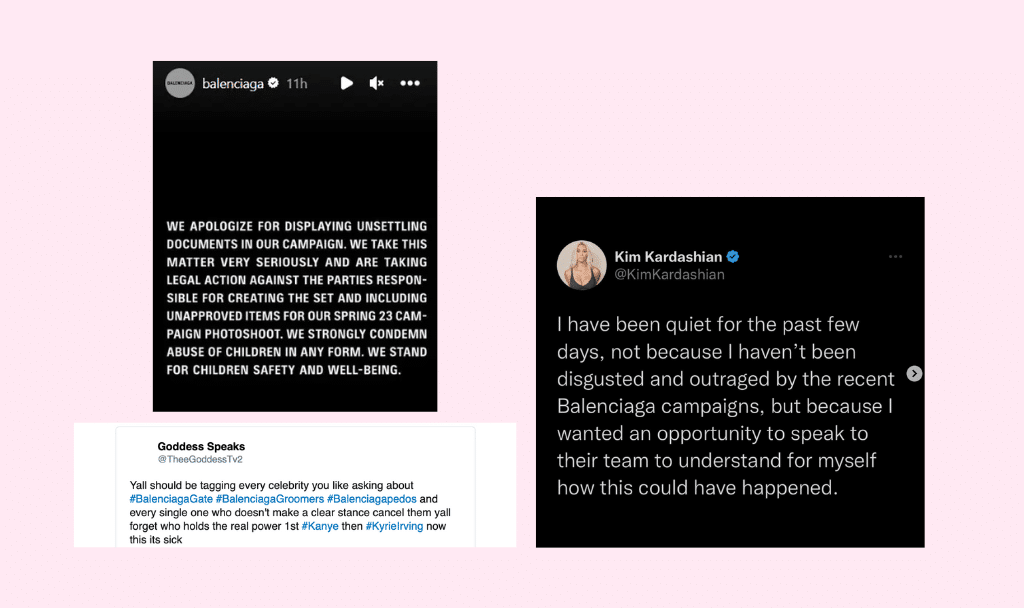
Les influenceurs ont publiquement pris leurs distances, les célébrités ont retiré les tags et la marque a été contrainte de présenter de multiples excuses pour limiter les dommages à long terme.
Les médias sociaux rendent la publication instantanée.
Mais elle rend aussi les erreurs permanentes.
Un seul message peut nuire à la réputation d'une personne, mettre fin à un partenariat ou déclencher une crise de marque. Et en 2026, quand les captures d'écran voyagent plus vite que les excuses, l'étiquette des médias sociaux n'est plus facultative.
Ce guide explique :
- Ce que l'étiquette des médias sociaux signifie vraiment
- Pourquoi cela est plus important que jamais
- Les règles de base que tout le monde devrait suivre
- Étiquette spécifique à la plateforme pour Instagram, TikTok, LinkedIn et X
- Comment les marques et les créateurs doivent-ils se comporter différemment en ligne ?
Pour comprendre pourquoi ces règles sont si importantes, nous devons d'abord définir ce qu'est l'étiquette des médias sociaux 👇.
Qu'est-ce que l'étiquette des médias sociaux ?
💡L'étiquette des médias sociaux fait référence aux règles non écrites qui guident un comportement respectueux, responsable et intentionnel en ligne. Il couvre la façon dont vous communiquez, ce que vous publiez et la façon dont vous interagissez avec les autres.
Pour une analyse pratique des choses à faire et à ne pas faire en matière de publication sur les différentes plates-formes, voir Guide de l'étiquette de Social Hospitality.
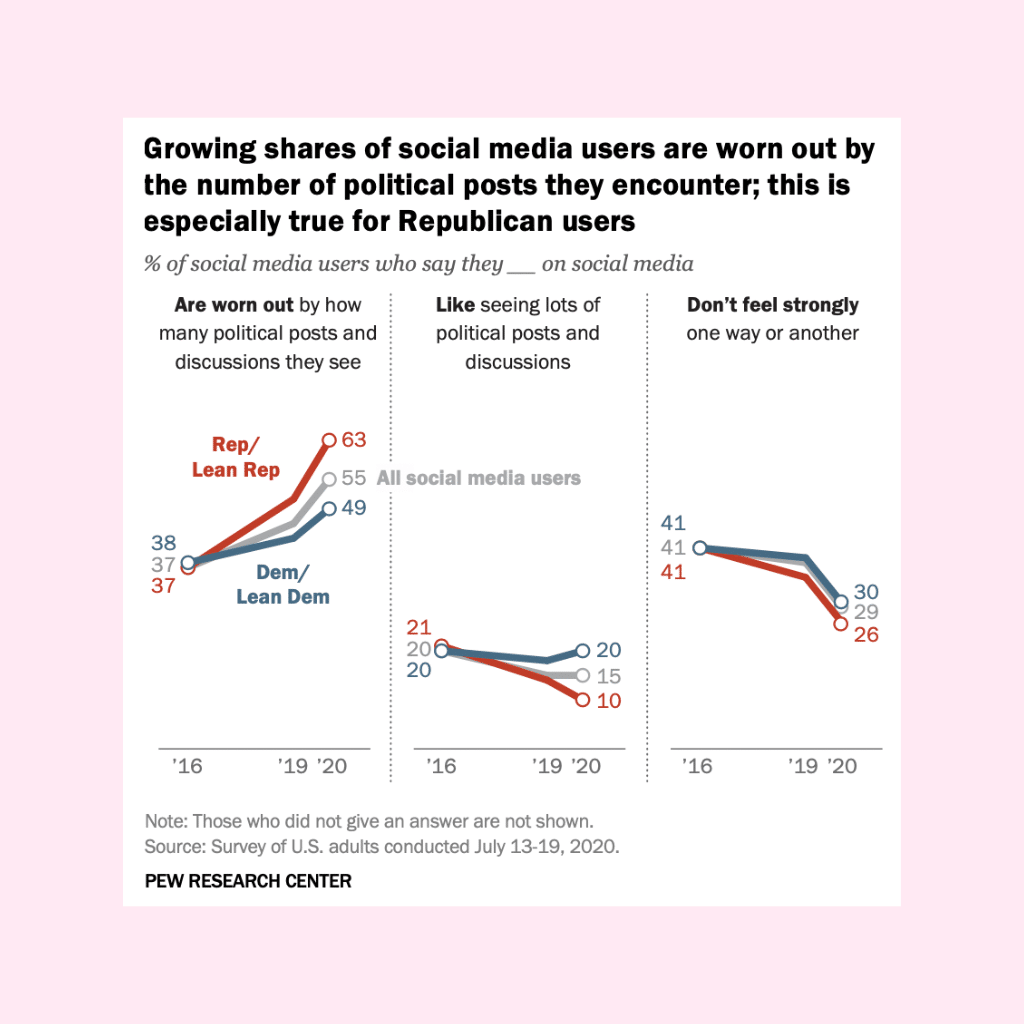
Contrairement aux conversations hors ligne, le contenu en ligne est permanent, consultable et amplifié par des algorithmes. Selon le Centre de recherche Pew, 55% des utilisateurs américains de médias sociaux disent se sentir “épuisés” par le nombre de messages et de discussions politiques qu'ils voient sur les médias sociaux.
C'est un signe de fatigue émotionnelle liée à des interactions hostiles ou accablantes.
L'étiquette ne consiste pas à être poli pour le plaisir.
Il s'agit de réduire les frictions et protéger la confiance à grande échelle.
Une fois définie, la question suivante est de savoir pourquoi l'étiquette des médias sociaux est devenue si critique aujourd'hui 👇.
Pourquoi l'étiquette des médias sociaux est-elle importante ?
Les médias sociaux ne sont plus un espace décontracté ❌
Elle influence les décisions d'embauche, la confiance dans la marque, la fidélité des clients et la perception du public à grande échelle.
Ce que vous publiez, comment vous répondez et quand vous restez silencieux peut avoir des conséquences mesurables. Pour les individus, cela affecte leur carrière et leur crédibilité. Pour les marques et les créateurs, cela a un impact direct sur la portée, la confiance et les revenus.
C'est pourquoi l'étiquette des médias sociaux n'est pas seulement une question de bonnes manières. Il s'agit de protéger la valeur à long terme.
Votre réputation est toujours visible
Une étude réalisée par CareerBuilder montre que 70% des employeurs examinent les profils de médias sociaux au cours de la procédure d'embauche.
Le public punit rapidement les marques
Selon la Baromètre de confiance Edelman, 81% des consommateurs disent que la confiance est un facteur décisif dans l'engagement avec les marques.
Les algorithmes amplifient les mauvais comportements
Recherche de Media Lab du MIT a constaté que les fausses nouvelles se propagent plus vite et plus loin que les vraies sur les médias sociaux.
En bref, l'étiquette n'est plus facultative. Elle a un impact direct sur la crédibilité, la portée et la perception à long terme.
Savoir pourquoi c'est important facilite l'application des règles dans la pratique 👇
Les règles de base de l'étiquette dans les médias sociaux
Une bonne étiquette dans les médias sociaux ne consiste pas à être ennuyeux.
Il s'agit de savoir où se trouve la limite et de ne pas la franchir publiquement.
Et ces principes s'appliquent aussi bien aux particuliers qu'aux créateurs et aux marques.
Pour une liste de contrôle simple des choses à faire et à ne pas faire, que vous pouvez consulter ou même partager avec votre équipe, le récapitulatif ci-dessous ⬇️
✅ FAIRE : Réfléchir avant de poster
❌ DON'T : Poster sous le coup de l'émotion
Un tweet prend 5 secondes. Les captures d'écran sont éternelles.
Harvard Business Review explique que les émotions intenses peuvent pousser les gens à prendre des décisions erronées. C'est pourquoi le fait de marquer une pause avant de répondre en ligne permet souvent d'éviter des erreurs qui pourraient être évitées.
Exemple concret :
Par exemple, le mannequin et la personnalité de la télévision Chrissy Teigen a dû faire face à d'intenses réactions en ligne après la réapparition d'anciens tweets montrant qu'elle s'était livrée à de l'intimidation en ligne, ce qui a conduit de grandes enseignes comme Macy's et Target à prendre publiquement leurs distances vis-à-vis d'elle. La controverse a contraint Teigen à présenter une série d'excuses publiques et à publier des messages de gestion de la réputation afin de regagner la confiance des gens.
✅ FAIRE : Être respectueux lorsque vous n'êtes pas d'accord
❌ DON'T : S'attaquer aux personnes plutôt qu'aux idées
Le désaccord alimente la conversation. Le manque de respect entraîne des réactions négatives.
Les Centre de recherche Pew rapporte que 41% des adultes américains ont été victimes de harcèlement en ligne, souvent à la suite de réponses agressives.
Règle générale :
Si un commentaire crée une tension ou un conflit lors d'une réunion en face à face, il s'aggravera encore plus rapidement sur les médias sociaux.
✅ FAIRE : Créditer les créateurs et les sources originales
❌ DON'T : Republier un contenu comme s'il s'agissait du vôtre
Créditer les créateurs n'est pas seulement une question de courtoisie. Cela fait partie de la manière dont la confiance se construit en ligne.
Lorsque des marques ou des individus réutilisent du contenu sans en attribuer la paternité, le public s'en aperçoit. C'est au mieux un signe de paresse, au pire un signe d'exploitation. En revanche, le fait de mentionner clairement le créateur original est une preuve de respect, de transparence et de confiance.
Une attribution correcte renforce également les relations. Les créateurs sont plus enclins à partager à nouveau, à s'engager et à collaborer à nouveau lorsqu'ils se sentent reconnus. Au fil du temps, ce comportement façonne la façon dont une marque ou un profil est perçu sur la plateforme.
En bref, le crédit transforme une attention empruntée en une bonne volonté à long terme.
Exemple concret :
Les créateurs de TikTok interpellent régulièrement les marques pour avoir reposté des CGU sans mention de source, ce qui entraîne souvent des excuses publiques et une presse négative.
✅ FAIRE : Respecter la vie privée et le consentement
❌ DON'T : partager des messages privés, des captures d'écran ou des images sans autorisation
Ce n'est pas parce qu'une chose peut être partagée qu'elle doit l'être.
Les messages privés, les captures d'écran, les photos ou les conversations hors plate-forme suscitent une attente de confiance. En les rendant publics sans consentement, vous détournez presque toujours l'attention de votre point de vue pour la porter sur votre comportement.
Pour les marques et les créateurs, c'est particulièrement risqué. Partager des échanges privés pour “prouver un point” donne souvent l'impression d'être sur la défensive et nuit à la crédibilité. Pour les particuliers, cela peut aggraver des conflits qui, autrement, resteraient mineurs.
Si le contenu n'est pas destiné à un flux public, demandez-le d'abord. En cas de doute, ne le publiez pas.
Une règle amusante mais réelle :
Si quelqu'un l'a envoyé dans un DM, il reste dans un DM.
✅ FAIRE : Être transparent sur les publicités et les partenariats
❌ DON'T : Cacher les parrainages ou les promotions payées
La transparence n'est pas facultative. Elle est réglementée.
Selon la BBB National Programs Influencer Trust Index (Indice de confiance des influenceurs des programmes nationaux du BBB), 70% des consommateurs disent qu'ils se sentent négatif à l'égard d'un influenceur s'ils découvrent que l'influenceur a été payé ou a reçu des produits gratuits sans le divulguer clairement.
Exemple concret :
Les FTC inflige régulièrement des amendes aux influenceurs et aux marques en cas d'absence ou de manque de clarté des informations communiquées dans le cadre de #ad.
✅ FAIRE : Ajouter de la valeur avant de promouvoir
❌ DON'T : Transformez chaque message en publicité
Les gens ne suivent pas les comptes pour qu'on leur vende quelque chose.
Ils suivent des comptes pour apprendre, se divertir ou se sentir compris.
Lorsque chaque article met en avant un produit, le public ne s'y intéresse pas. Lorsque le contenu fournit systématiquement des informations, de l'inspiration ou de l'utilité, les promotions semblent méritées et non intrusives.
Pour les marques, cela signifie partager des connaissances, des moments en coulisses ou des histoires réelles de clients avant de demander de l'attention. Pour les créateurs, il s'agit d'instaurer la confiance grâce à un contenu honnête, bien avant de recommander un produit.
La promotion est plus efficace lorsqu'elle vient après la valeur. Pas avant.
Test simple :
Est-ce que quelqu'un enregistrerait ou partagerait cet article si le nom de votre produit était supprimé ?
✅ FAIRE : Répondre aux commentaires avec calme et rapidité
❌ DON'T : Ignorer le retour d'information ou réagir sur la défensive
Le silence ressemble à de l'évitement. L'agression ressemble à de la culpabilité.
Selon le Sprout Social, 76% des utilisateurs attendent une réponse dans les 24 heures lorsqu'ils contactent une marque sur les médias sociaux.
Bonne étiquette :
Reconnaître d'abord. Clarifiez ensuite. Ne vous défendez jamais.
✅ FAIRE : Utiliser un langage clair et inclusif
❌ DON'T : Supposer le contexte, le ton ou l'intention
En ligne, le ton est invisible. Les mots font le gros du travail.
Les Baromètre de confiance Edelman montre que la communication inclusive a un impact direct sur la confiance dans les marques, en particulier chez les membres de la génération Z.
Modèle du monde réel :
Les messages qui nécessitent des réponses du type “vous m'avez mal compris” ont déjà échoué.
✅ FAIRE : Admettre rapidement ses erreurs
❌ DON'T : Doublez la mise ou blâmez l'auditoire
Les excuses rapides réduisent les dommages. Les excuses lentes les multiplient.
Études sur la communication de crise citées par La loi sur la mode montrent que les réponses tardives ou défensives détériorent considérablement le sentiment d'appartenance à une marque.
Règle :
Une excuse claire vaut mieux que cinq explications défensives.
✅ FAIRE : Se rappeler qu'il y a un humain derrière chaque compte
❌ DON'T : Traiter l'engagement comme un simple chiffre
Chaque profil représente une personne, et non une mesure.
Les Centre de recherche Pew établit un lien constant entre la déshumanisation en ligne et l'augmentation de la toxicité et du harcèlement.
Proper communication also improves key social media performance indicators.
Un simple changement d'état d'esprit :
Parlez aux gens, pas aux algorithmes.
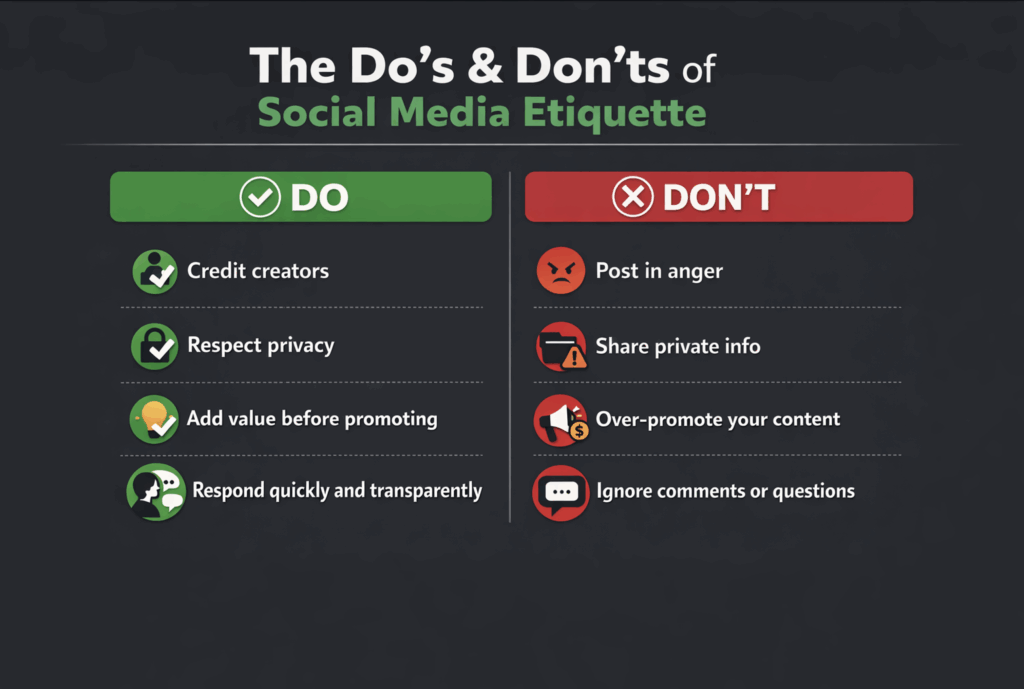
Ces règles sont simples, mais elles ne sont pas triviales.
Ils déterminent la façon dont les gens vous perçoivent longtemps après la publication d'un billet.
Les respecter systématiquement permet de réduire les conflits, d'instaurer la confiance et de protéger votre réputation au fil du temps. Les ignorer conduit souvent à des malentendus difficiles à dissiper.
Cela dit, l'étiquette n'est pas universelle.
Chaque plateforme a sa propre culture, ses attentes et ses normes tacites, c'est pourquoi l'étape suivante consiste à comprendre comment l'étiquette des médias sociaux change d'une plateforme à l'autre 👇
Etiquette des médias sociaux par plateforme
Il est CRITIQUE de comprendre -> L'étiquette des médias sociaux est universelle en principe, mais pas en pratique.
Chaque plateforme a sa propre culture, son propre rythme et ses propres attentes. Ce qui semble normal sur TikTok peut sembler inapproprié sur LinkedIn. Une réponse qui fonctionne sur Instagram pourrait s'envenimer sur X.
Comprendre ces différences vous permet de communiquer plus efficacement, d'éviter les frictions inutiles et d'adapter votre ton sans perdre en authenticité.
Voici comment l'étiquette des médias sociaux change sur les principales plateformes 👇
Etiquette Instagram
Instagram est un une plateforme visuelle et relationnelle. L'étiquette est ici étroitement liée à l'authenticité et au crédit.
💡On Instagram, les messages contenant du contenu généré par l'utilisateur (CGU) (qui paraissent naturellement plus authentiques que les contenus de marque soignés) suscitent systématiquement un engagement plus important.
Certaines analyses montrent que jusqu'à 70% plus d'engagement par rapport aux posts de marques uniquement, ce qui montre que le public réagit mieux aux personnes et aux moments réels (contenu généré par l'utilisateur).
Une bonne étiquette sur Instagram signifie :
- Créditer clairement les créateurs lorsque vous repostez des photos, des bobines ou des histoires. Il est préférable d'ajouter des étiquettes dans les légendes plutôt que d'enterrer les crédits dans les commentaires.
- Utiliser les DM avec respect. Les messages de vente non sollicités ou les présentations copiées-collées sont souvent ignorés ou signalés.
- Éviter l'appât de l'engagement comme “Commentaire OUI” ou des légendes trompeuses qui ne correspondent pas au contenu.
- Répondre aux commentaires dans la mesure du possible. Les réponses, même brèves, témoignent d'une présence et d'une appréciation.
Sur Instagram, le silence ou l'automatisation générique sont souvent interprétés comme du désintérêt.
Etiquette TikTok
TikTok est rapide, riche en remix et axé sur la communauté. L'étiquette consiste à participation sans exploitation.
💡TikTok met en évidence le fait que plus de 40% de la découverte de contenu provient de duos, de points et de remixes (Salle de presse TikTok).
Une bonne étiquette sur TikTok signifie :
- Remercier les créateurs originaux lors de l'utilisation de sons, de formats ou de tendances. Même lorsque le crédit n'est pas techniquement requis, il est culturellement attendu.
- Utiliser les duos et les points de manière responsable, Il ne s'agit pas de se moquer des autres ou de les déformer.
- Respecter le contexte des tendances. Sauter sur des tendances sensibles ou sérieuses pour obtenir de la visibilité se retourne souvent contre soi.
- Accepter le retour d'information du public. Les utilisateurs de TikTok se font entendre, et la suppression des critiques a tendance à les amplifier.
Sur TikTok, l'authenticité compte plus que le vernis, et l'arrogance est rapidement sanctionnée.
Etiquette LinkedIn
LinkedIn est un site professionnel, mais pas un site d'entreprise. L'étiquette consiste à respecter l'attention et l'intention.
💡According to LinkedIn, des messages avec des commentaires significatifs génèrent 3-4× plus de portée que des messages avec des réactions passives.
Une bonne étiquette sur LinkedIn signifie :
- Éviter les argumentaires de vente agressifs, surtout dans les commentaires ou les messages instantanés immédiatement après la connexion.
- Ajouter des commentaires réfléchis, et non des éloges génériques. Un engagement perspicace favorise la visibilité.
- Garder les messages en rapport avec le travail et l'expertise, même lorsqu'il s'agit d'une histoire personnelle.
- La divulgation de partenariats ou de promotions de manière transparente, surtout lorsqu'il s'agit de promouvoir des outils ou des services.
Sur LinkedIn, les gens attendent de la valeur, de la perspective et du professionnalisme - pas de la pression.
X (Twitter) Etiquette
X est public, rapide et très contextuel. Ici, l'étiquette consiste à retenue et clarté.
💡The Institut Reuters signale que les fausses informations se propagent jusqu'à six fois plus rapide que des corrections vérifiées.
Une bonne étiquette sur X signifie :
- Vérifier les informations avant de les partager, en particulier lors des nouvelles de dernière minute.
- Éviter les piles et le harcèlement entre guillemets, même en cas de désaccord.
- Mise en contexte, car les formats courts ne sont pas nuancés.
- Savoir quand ne pas répondre. Le silence est souvent la réponse la plus stratégique.
Sur X, l'escalade est rapide et les captures d'écran survivent aux tweets effacés.
Pourquoi c'est important
Chaque plateforme récompense des comportements différents, mais punit les mêmes erreurs : arrogance, manque de respect et absence de contexte.
Adapter son étiquette en fonction de la plateforme ne signifie pas changer qui l'on est.
Il s'agit de communiquer en étant conscient de l'endroit où l'on se trouve.
Au-delà des individus, les marques sont tenues à des normes d'étiquette encore plus élevées 👇.
L'étiquette des médias sociaux pour les entreprises et les marques
Pour les marques, les médias sociaux ne sont pas seulement un canal de communication. C'est à la fois un service clientèle public, un outil de marketing et une couche de réputation.
Contrairement aux individus, on attend des marques qu'elles soient cohérentes, mesurées et responsables à tout moment. Chaque réponse, réaction ou moment de silence est interprété comme une prise de position de la marque.
C'est pourquoi l'étiquette des médias sociaux pour les entreprises va au-delà de la politesse. Elle a une incidence directe sur la confiance, la loyauté et la valeur à long terme de la marque.
💡Données de Sprout Social montre que 76% des utilisateurs attendent une réponse de la marque dans les 24 heures, et les marques qui répondent publiquement voient jusqu'à 25% de fidélisation de la clientèle en plus.
Les meilleures pratiques sont les suivantes :
- Reconnaître publiquement les critiques
- Ne supprimez pas les commentaires, sauf s'ils sont abusifs
- Ne jamais réagir de manière défensive
Le ton est aussi important que le contenu.
Les créateurs sont confrontés à des attentes similaires, mais avec une responsabilité accrue à l'égard de leur public.
Découvrons 👇
L'étiquette des médias sociaux pour les influenceurs et les créateurs
Les créateurs se situent entre le public et les marques.
Selon le Hub de marketing d'influence, 61% des utilisateurs font davantage confiance aux créateurs lorsque les parrainages sont clairement divulgués, alors que les publicités cachées réduisent activement la confiance des acheteurs.
L'étiquette du créateur comprend les éléments suivants
- Transparence des annonces
- Des recommandations honnêtes
- Collaborations respectueuses des marques
Un comportement éthique permet de fidéliser davantage le public et d'établir des partenariats de meilleure qualité.
Même avec de bonnes intentions, des erreurs se produisent toujours. Certaines sont plus courantes que d'autres... Laissez-moi vous expliquer 👇
Les erreurs d'étiquette les plus courantes dans les médias sociaux
La plupart des gens ne font pas exprès d'enfreindre l'étiquette des médias sociaux.
Ils vont trop vite.
Voici les erreurs que tout le monde a vues. Et que nous avons probablement commises une fois.
❌ Posting without context
Vous partagez une prise de conscience.
La moitié de votre public pense qu'il s'agit d'une blague.
L'autre moitié pense qu'il s'agit d'une attaque.
Le contexte fait défaut. La dramaturgie comble ce vide.
❌ Over-promoting everything
Chaque article est un produit.
Chaque histoire est un lien.
Chaque légende se termine par “disponible maintenant”.
Les gens cessent d'écouter avant de se désabonner.
❌ Ignoring comments completely
Vous postez. Il fonctionne bien.
Les commentaires s'accumulent. Silence.
Cela ressemble moins à de la confiance qu'à de l'indifférence.
❌ Publicly calling someone out
Vous les marquez.
Vous “posez simplement une question”.
Tout le monde prend du pop-corn.
Les questions d'ordre privé s'améliorent rarement lorsqu'elles sont transformées en contenu.
❌ Screenshotting DMs to prove a point
Vous voulez avoir raison.
Vous publiez des justificatifs.
Vous perdez la confiance.
Les captures d'écran ont une durée de vie plus longue que les arguments.
❌ Chasing engagement at all costs
Appât à rage. Appât à clics. Fausse controverse.
Il fonctionne aujourd'hui.
Cela nuit à la crédibilité de demain.
La plupart des erreurs d'étiquette ont la même origine.
Réagir au lieu de réfléchir.
La bonne nouvelle, c'est que l'étiquette peut être améliorée grâce à quelques habitudes simples 👇.
Comment améliorer votre étiquette dans les médias sociaux
Commencez par une simple liste de contrôle :
- Vérifier les messages antérieurs
- Fixer des limites à l'affichage
- Respecter les normes de la communauté
- Faire une pause avant de réagir de manière émotionnelle
Pour terminer, abordons les questions les plus courantes sur l'étiquette des médias sociaux 👇
FAQ sur l'étiquette dans les médias sociaux
Qu'est-ce qu'une bonne étiquette dans les médias sociaux ?
L'étiquette des médias sociaux consiste à communiquer avec intention et respect dans un espace public.
Cela signifie qu'il faut réfléchir à la façon dont vos mots, votre ton et vos actions seront interprétés par des personnes qui ne connaissent pas vos intentions. L'étiquette est un équilibre entre l'honnêteté et l'empathie. Vous pouvez partager vos opinions, promouvoir votre travail ou répondre aux critiques sans être dédaigneux ou agressif.
Au fond, une bonne étiquette protège la confiance. Elle aide les conversations à rester productives et réduit les conflits inutiles.
Que faut-il éviter de publier sur les médias sociaux ?
Vous devez éviter de publier des informations que vous n'aimeriez pas voir diffusées en dehors de leur contexte d'origine.
Il s'agit notamment d'informations privées, de réactions émotionnelles écrites dans le feu de l'action, de nouvelles non vérifiées et de captures d'écran de conversations privées. Même lorsque les messages sont supprimés, ils refont souvent surface plus tard.
Si un message risque de nuire à votre réputation, à votre carrière ou à la vie privée de quelqu'un d'autre, il est préférable de ne pas le publier.
L'étiquette des médias sociaux diffère-t-elle selon les plateformes ?
Oui. Chaque plateforme a sa propre culture, ses propres normes et ses propres attentes.
Ce qui semble décontracté sur TikTok peut sembler inapproprié sur LinkedIn. Ce qui fonctionne dans une Story Instagram peut s'envenimer sur X. Comprendre les comportements propres à chaque plateforme vous aide à adapter votre ton sans changer qui vous êtes.
Une bonne étiquette consiste à parler le langage de la plateforme tout en restant cohérent avec vos valeurs.
Comment les entreprises doivent-elles se comporter sur les médias sociaux ?
Les entreprises devraient agir avec plus de retenue et de responsabilité que les particuliers.
Chaque réponse est interprétée comme une position de la marque. Il faut donc être clair, calme et respectueux, surtout en cas de critique. Les marques doivent prendre acte des commentaires, y répondre le cas échéant et éviter les réponses émotionnelles ou défensives.
Une étiquette rigoureuse aide les marques à transformer les conversations publiques en moments de confiance.
Comment les influenceurs et les créateurs doivent-ils se comporter sur les médias sociaux ?
Les créateurs doivent privilégier la transparence et la confiance du public.
Des informations publicitaires claires, des recommandations honnêtes et des interactions respectueuses posent les bases d'une crédibilité à long terme. Le public suit les créateurs qui recherchent l'authenticité et non la perfection.
Lorsque les créateurs gèrent ouvertement leurs erreurs et communiquent avec soin, ils construisent des communautés plus fortes et des partenariats plus durables.
Conclusion
L'étiquette des médias sociaux ne consiste pas à être parfait ou à jouer la carte de la sécurité.
Il s'agit d'être intentionnel dans un espace où tout est public et permanent.
Chaque message, commentaire et réponse envoie un signal. Au fil du temps, ces signaux façonnent la perception que les gens ont de vous, de votre marque ou de votre travail. Une bonne étiquette permet de réduire les frictions, de préserver la confiance et de créer un espace propice à des conversations constructives.
And it’s critical because strong social media etiquette supports long-term advocacy and brand loyalty.
En 2026, l'attention est facile à obtenir. Le respect, lui, ne l'est pas.
Les comptes qui gagnent à long terme sont ceux qui communiquent avec clarté, empathie et conscience.
Car sur les médias sociaux, la façon dont vous vous présentez compte autant que ce que vous dites.